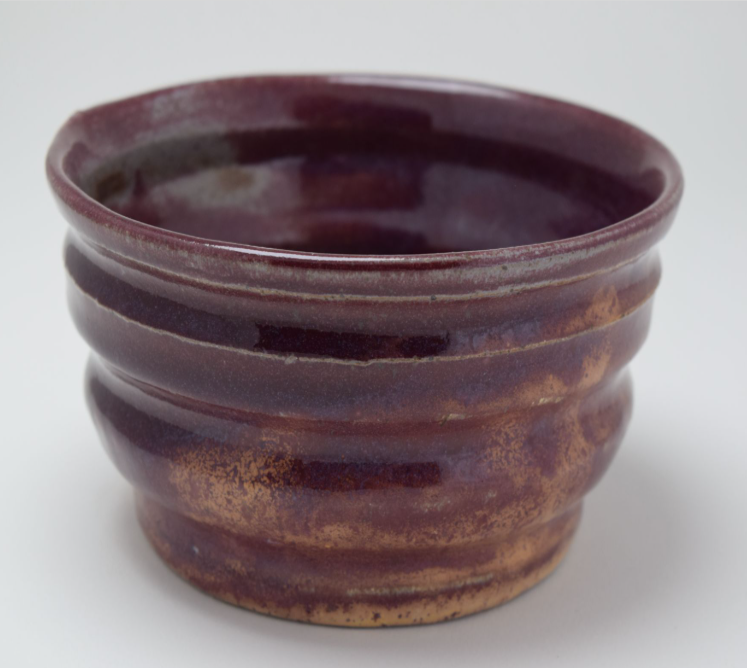
The Art of Clay
Ceramics has been one of my greatest creative passions for many years. While I first learned to throw on the pottery wheel in high school, it was during college that my appreciation for the craft truly flourished. Through a wide range of ceramics and sculpture courses, I developed both the technical skills and artistic confidence that continue to influence my work today.
My education extended far beyond wheel throwing. I gained hands-on experience with kiln operation, glaze formulation and mixing, firing techniques—including Raku—and the countless stages of transforming raw clay into finished work. During my senior year, I further immersed myself in the medium by participating in a summer ceramics intensive, where I had the opportunity to refine my skills alongside other dedicated artists.
I owe much of my growth to the incredible professors and mentors who challenged, encouraged, and inspired me throughout that journey. Their guidance shaped not only my understanding of ceramics but also my approach to creativity as a whole. The patience, craftsmanship, and problem-solving I developed in the studio continue to inform my work as a designer today, reminding me that the most meaningful creations are built through curiosity, persistence, and a willingness to experiment.
Experience
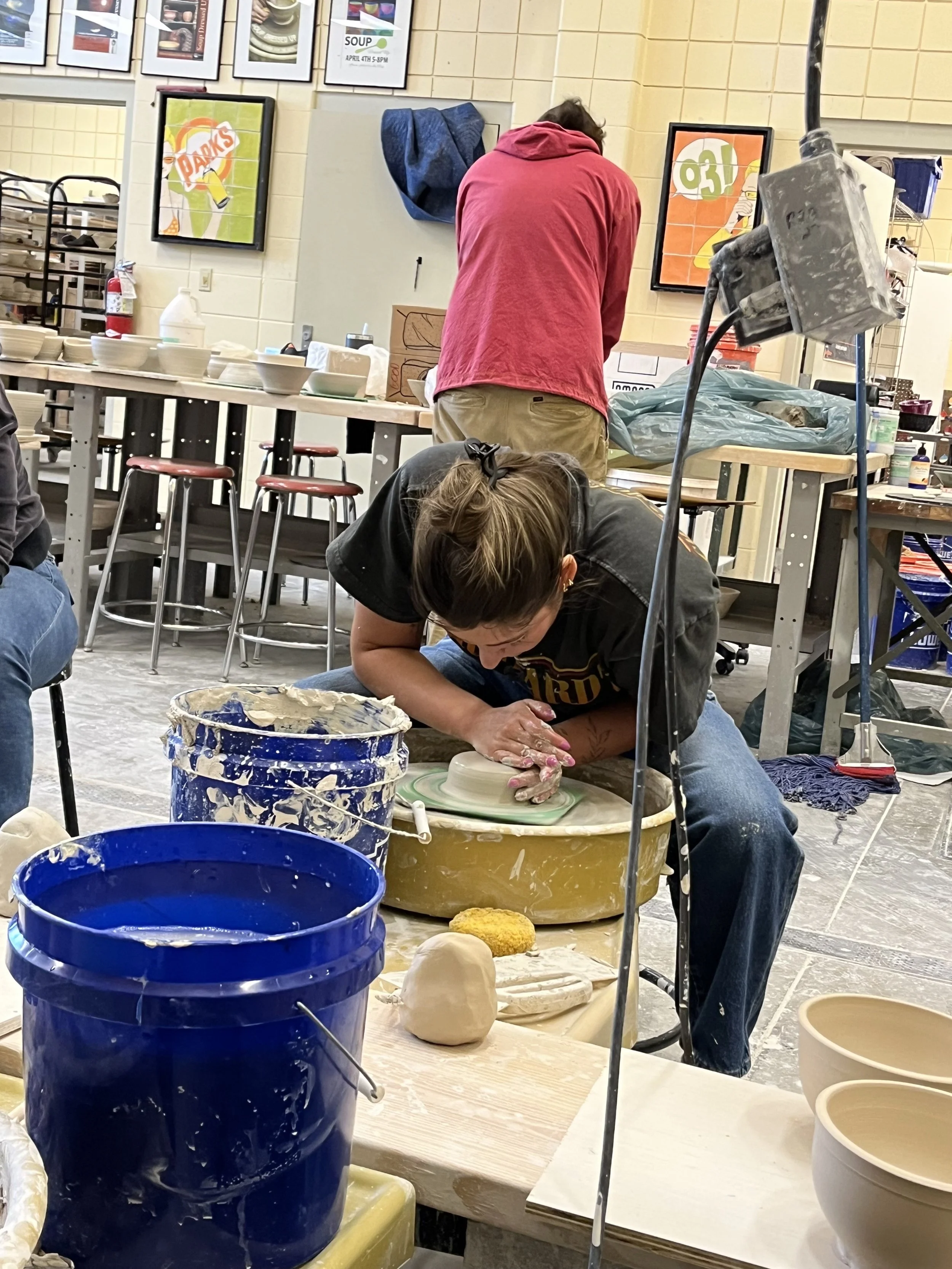
My time studying ceramics at the University of Dayton provided a comprehensive foundation in both the artistic and technical aspects of the medium. In addition to developing my wheel-throwing and hand-building skills, I gained an in-depth understanding of ceramic materials, glaze chemistry, kiln operation, firing methods, and studio practices. One area of particular interest was Raku firing, where I explored the unique relationship between heat, atmosphere, and material transformation. The unpredictability of the process reinforced the importance of experimentation, adaptability, and trusting the craft.
My coursework also emphasized the ethics of working with clay and the environmental responsibility that accompanies ceramic practice. Through discussions and hands-on experience, I learned sustainable studio habits, responsible material usage, proper clay reclamation techniques, and thoughtful approaches to reducing waste throughout the creative process. These lessons continue to influence how I approach making—not only with ceramics, but within my broader design practice.
Beyond the classroom, I served as a Studio Technician for the University of Dayton's ceramics program. This role gave me valuable experience maintaining a professional studio environment, including managing shared workspaces, preparing equipment, operating and cleaning ceramic facilities, safely handling and disposing of hazardous materials and glaze chemicals, and supporting the daily needs of students and faculty. Working in a production studio also required physical labor, organization, and attention to safety, reinforcing the importance of maintaining an efficient and well-managed creative space.
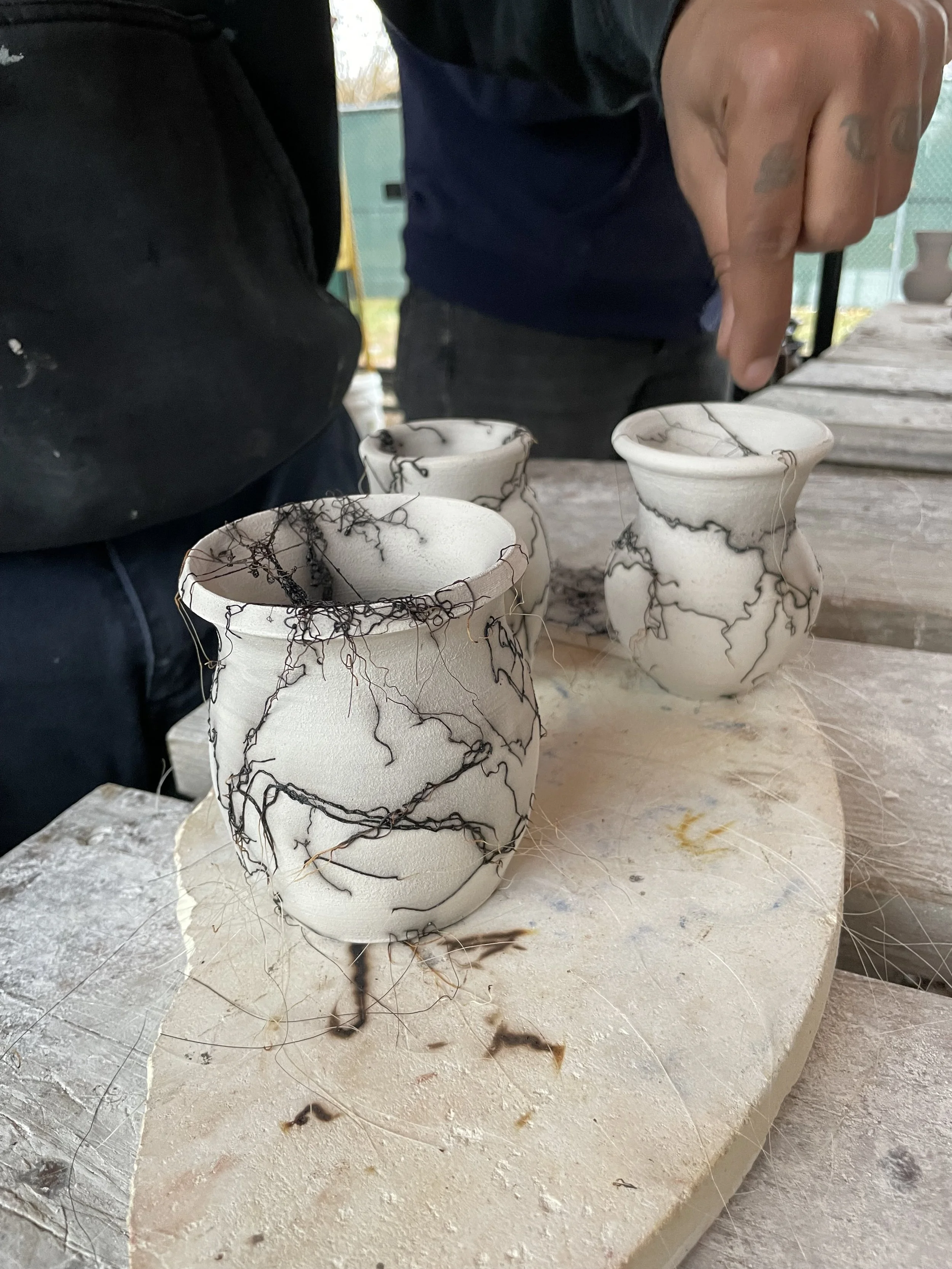
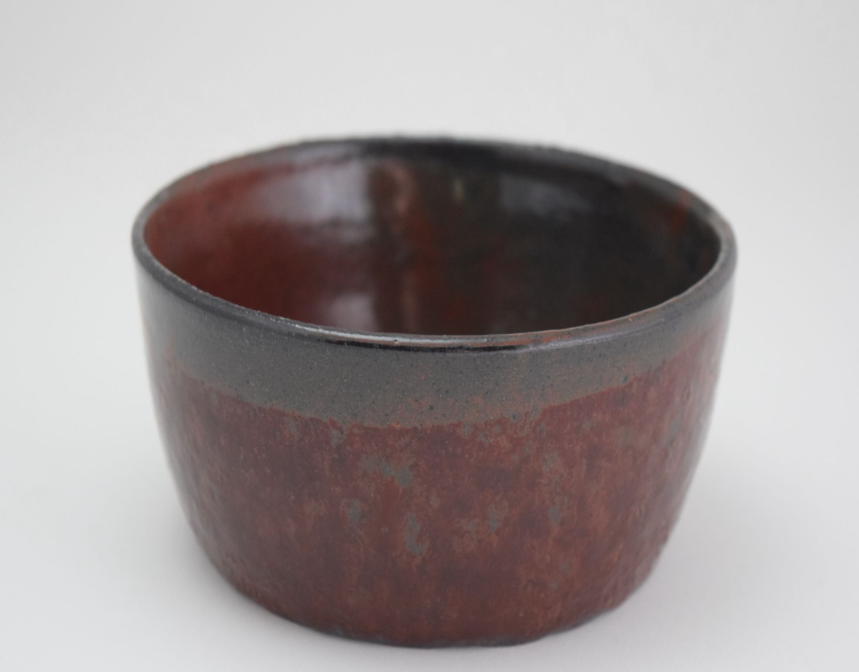
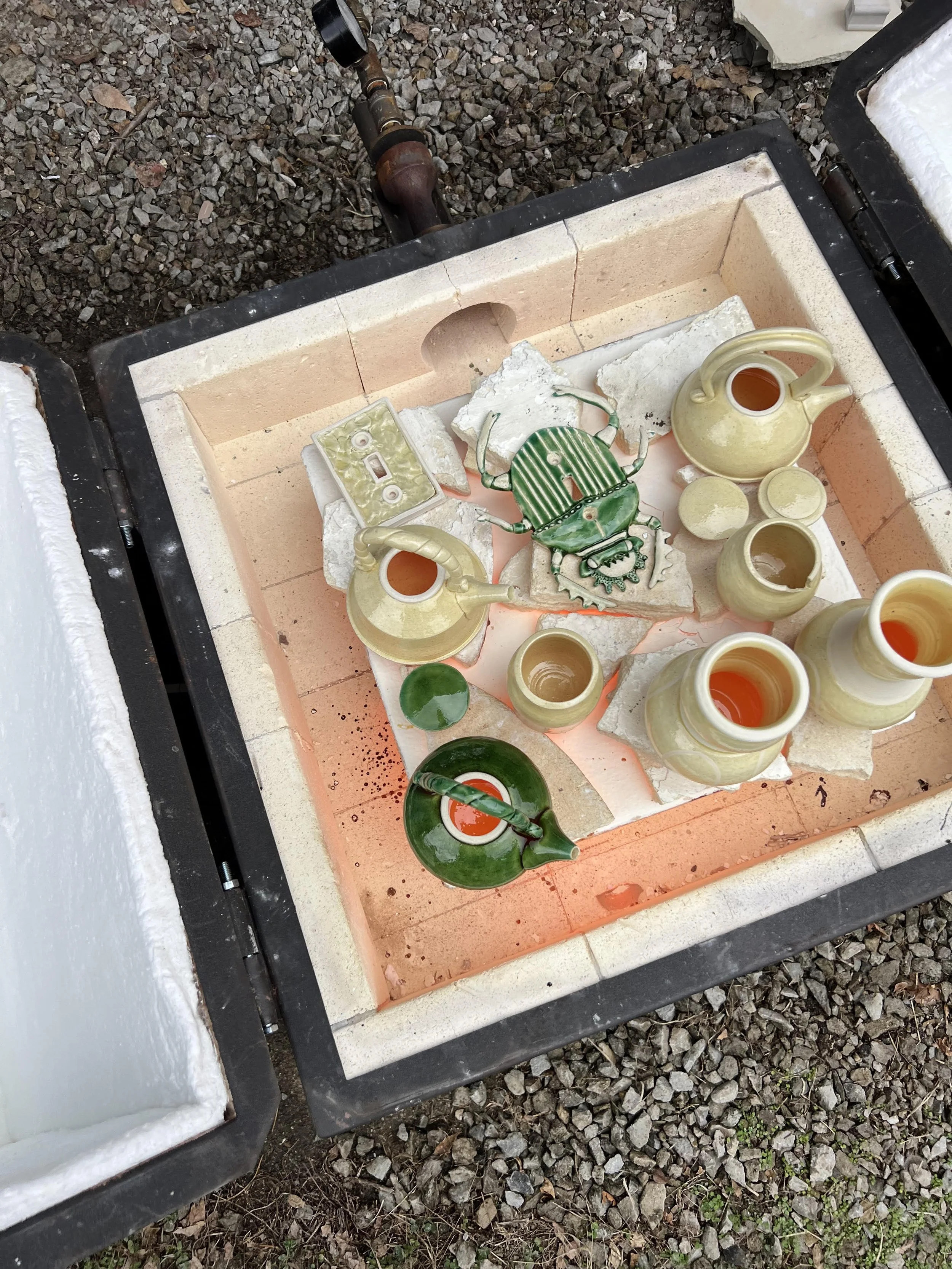
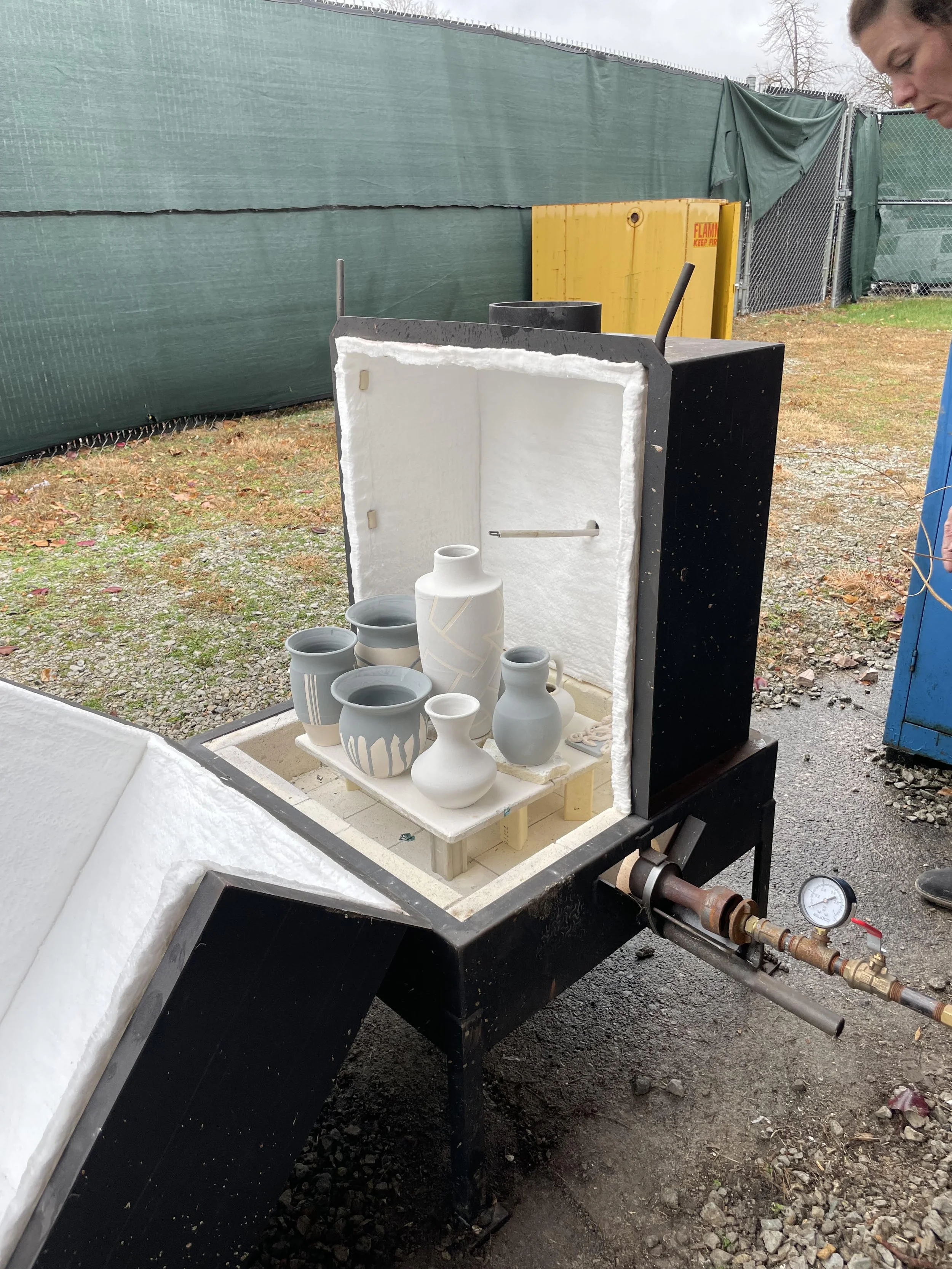
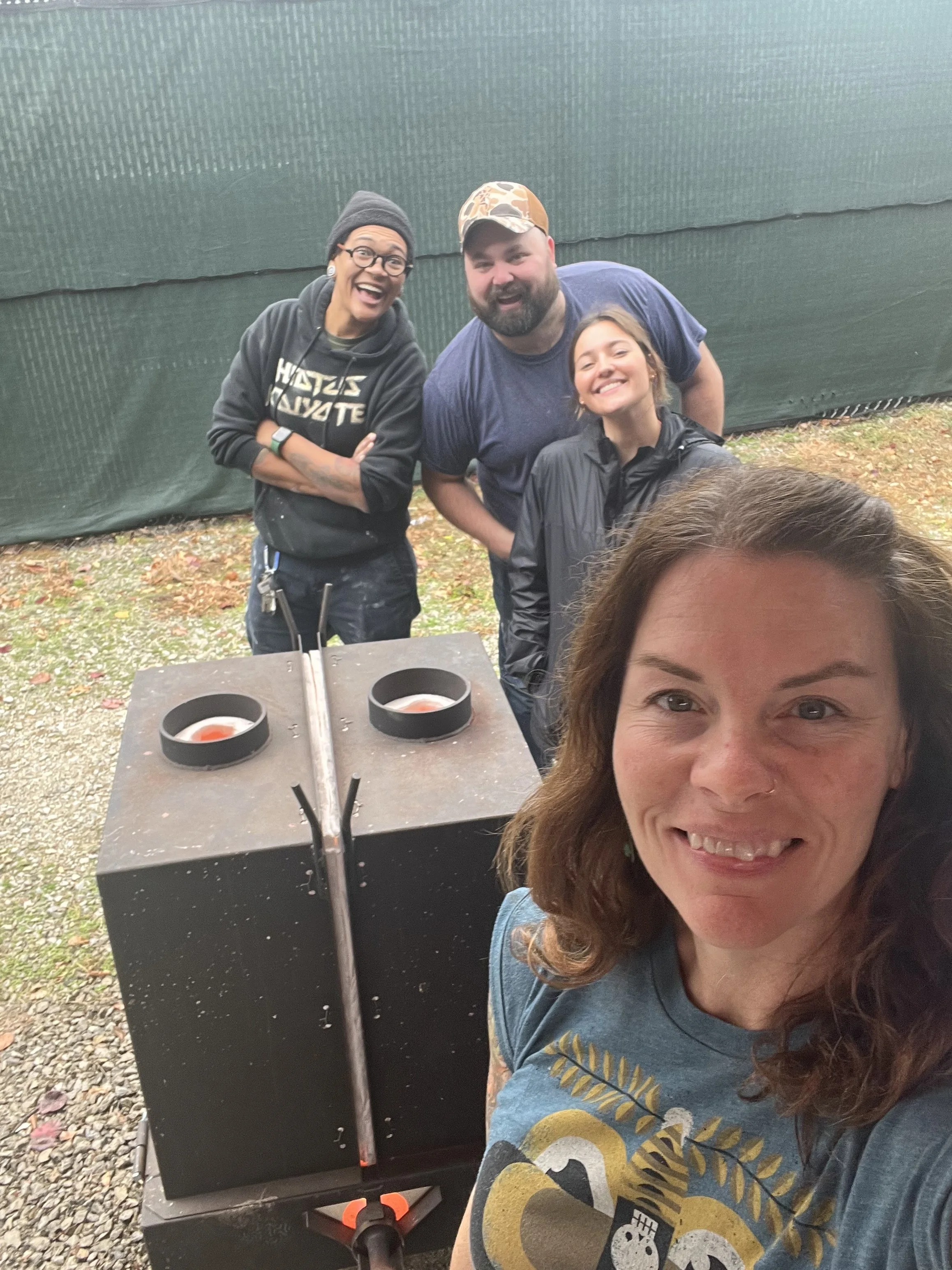
During my time working at the University of Dayton as a studio technician, I was introduced to the process of Raku. Raku firing is a unique ceramic technique that emphasizes the relationship between clay, heat, and atmosphere. The process begins with bisque-fired pieces that are coated in specialized glazes designed to react during the firing. The work is then heated rapidly in a kiln until the glaze reaches maturity, typically around 1,800°F–1,900°F.
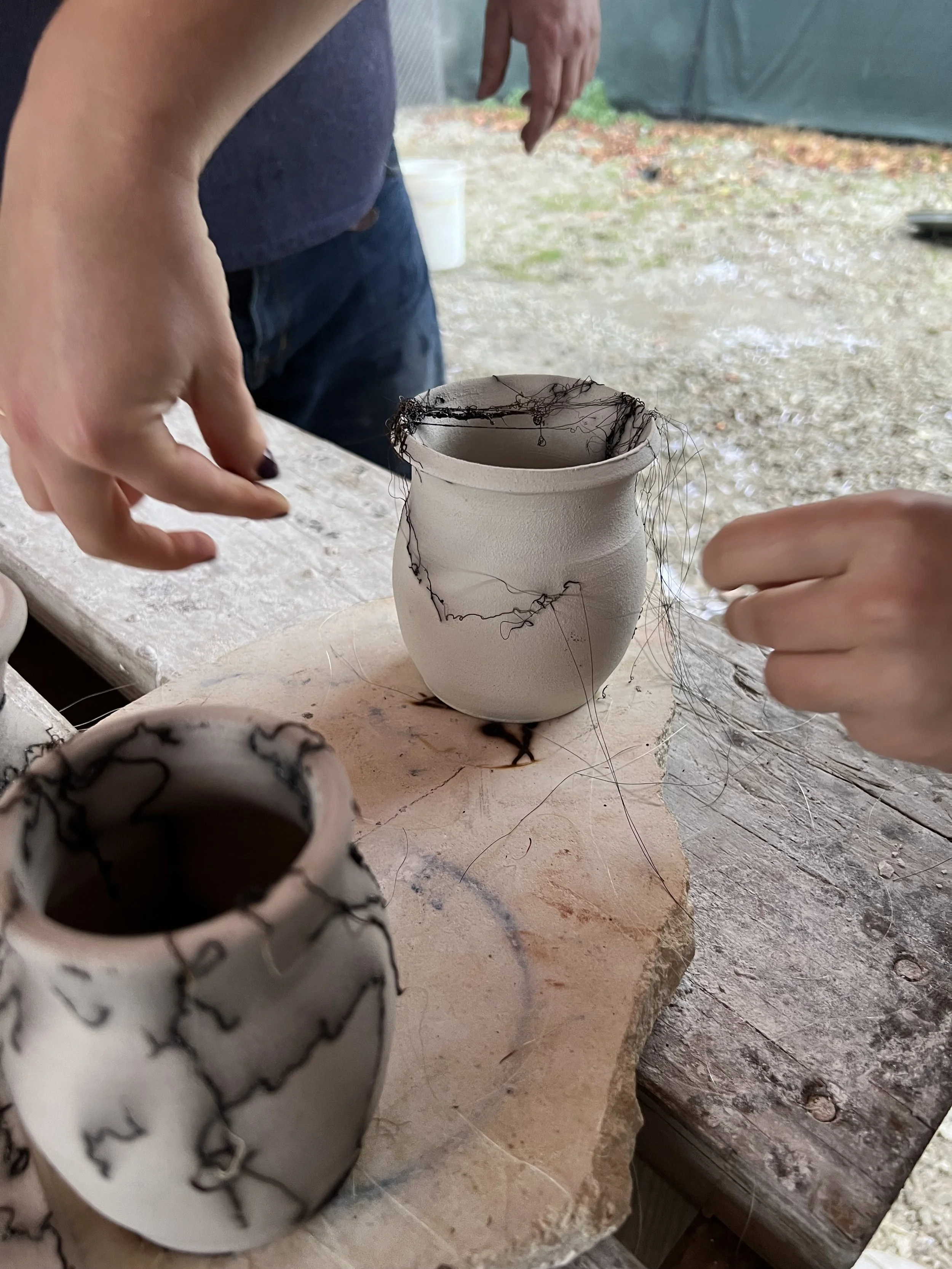
Once the desired temperature is reached, the glowing pieces are carefully removed from the kiln and placed into containers filled with combustible materials such as sawdust or newspaper. The intense heat ignites the material, creating a reduction atmosphere that alters the glaze surface and produces unpredictable colors, metallic effects, and crackled textures. After the reaction occurs, the pieces are cooled and cleaned to reveal the final surface.
Unlike traditional firings, Raku embraces unpredictability. Each piece is shaped not only by the artist's choices, but also by the chemistry of the materials and the natural variations created during the firing process.
The Process
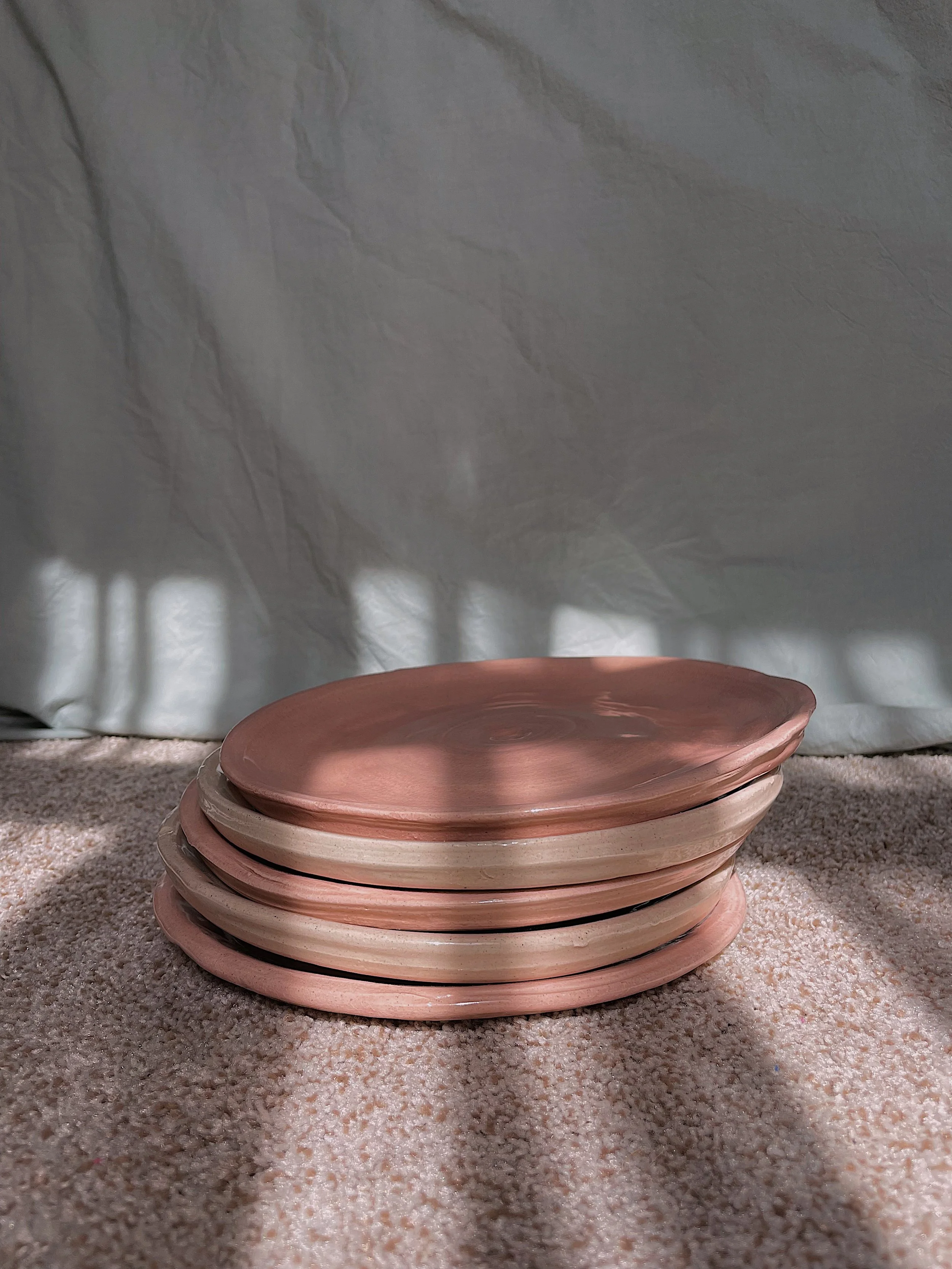
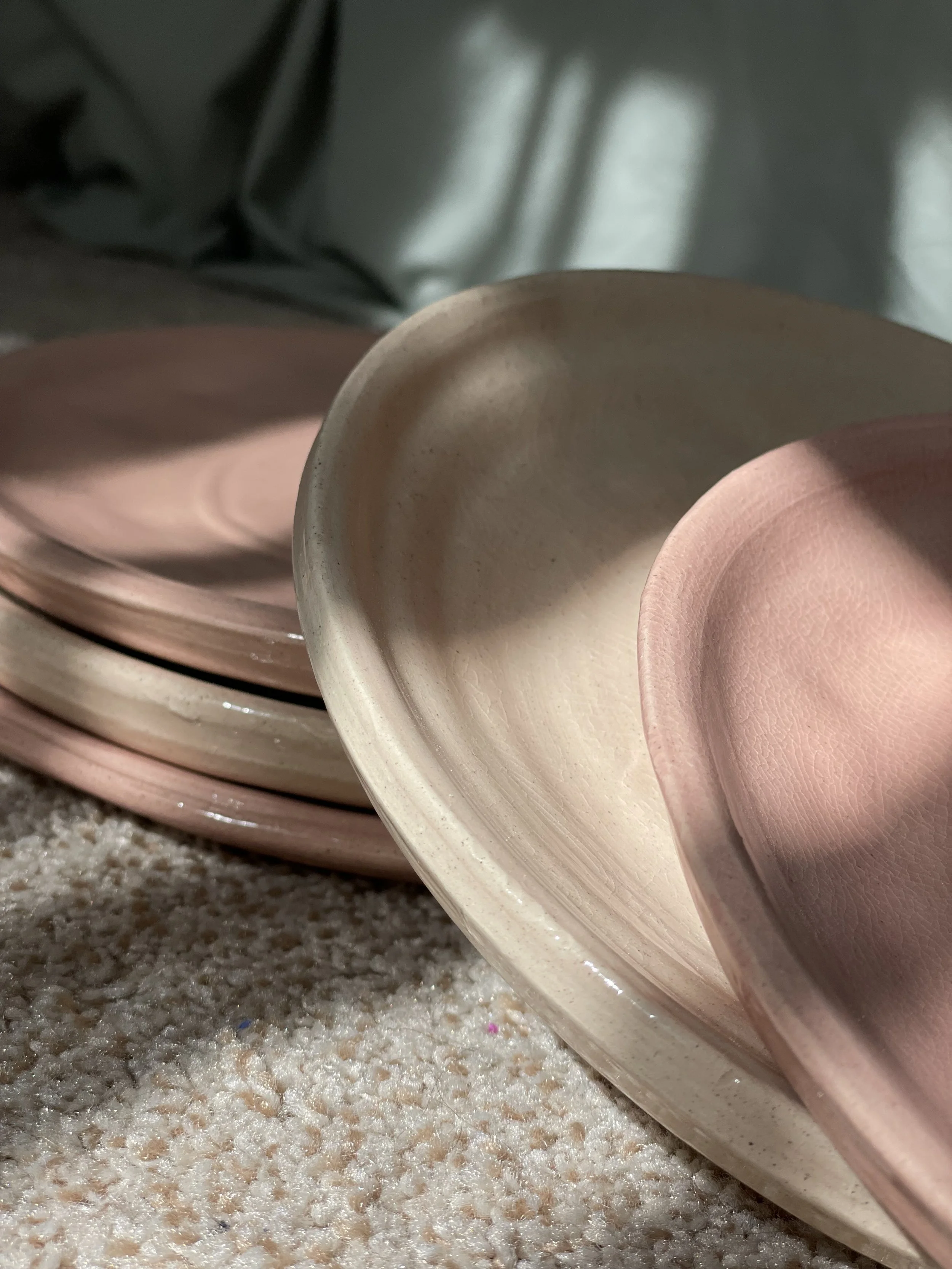
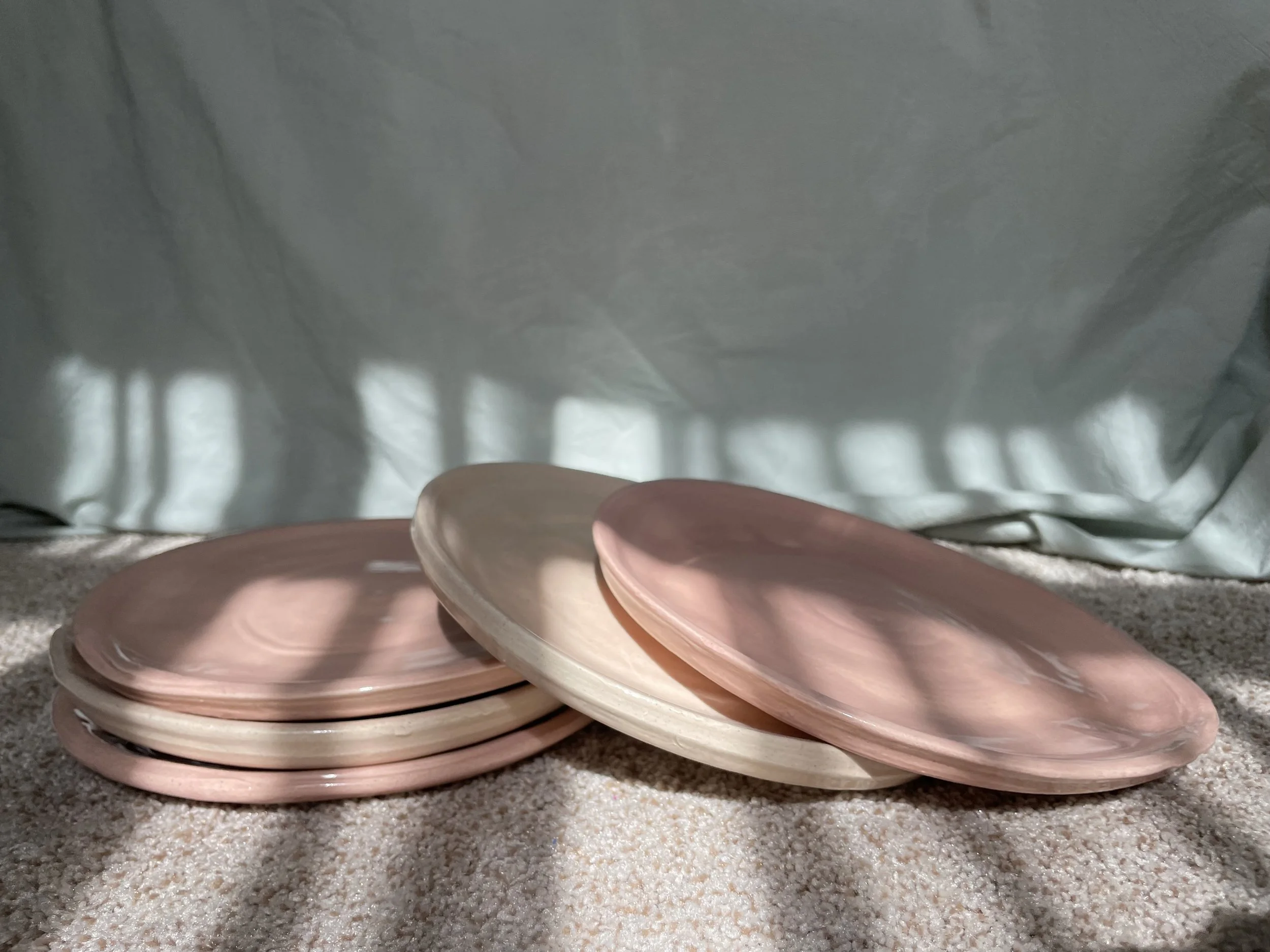
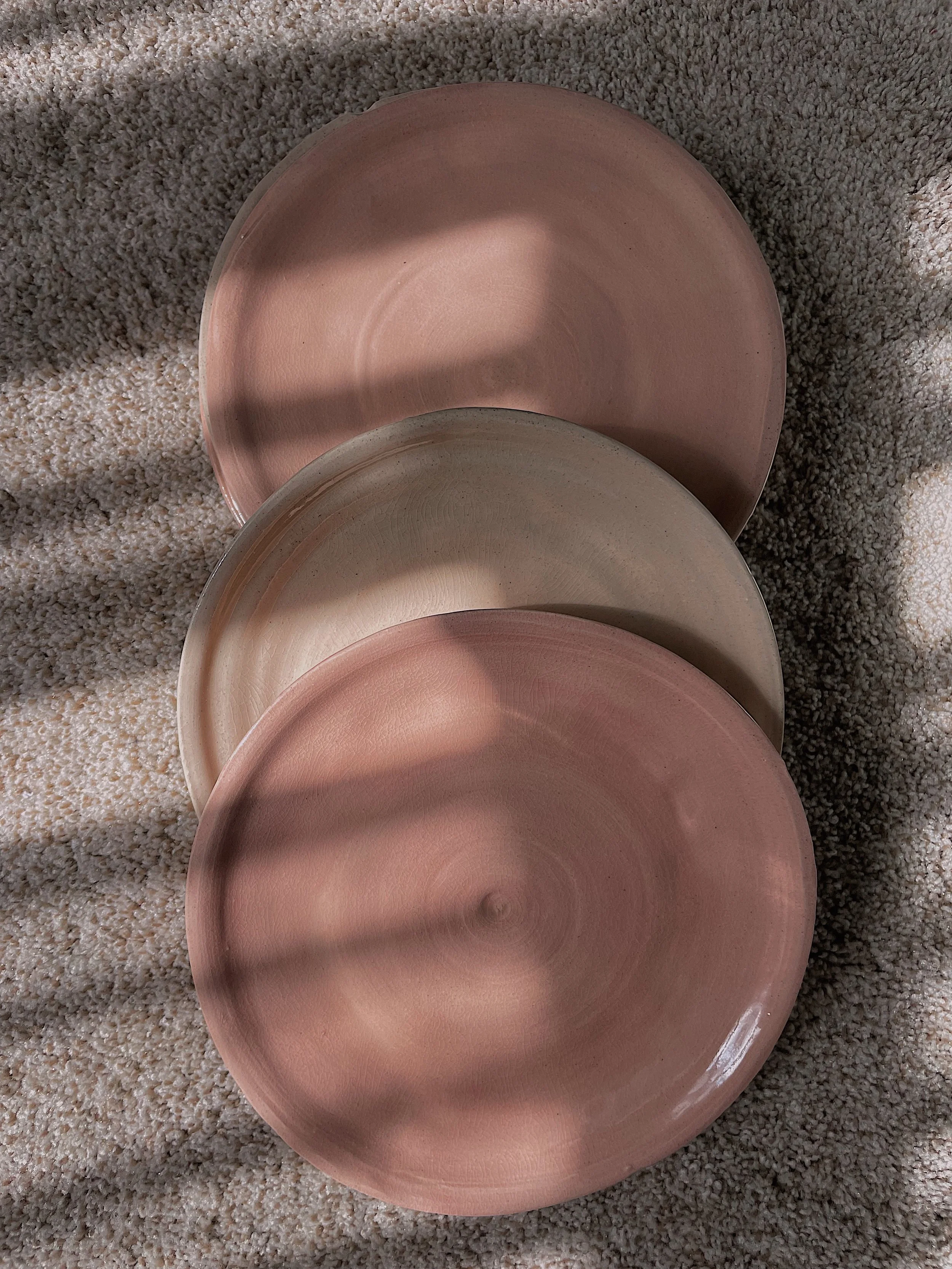
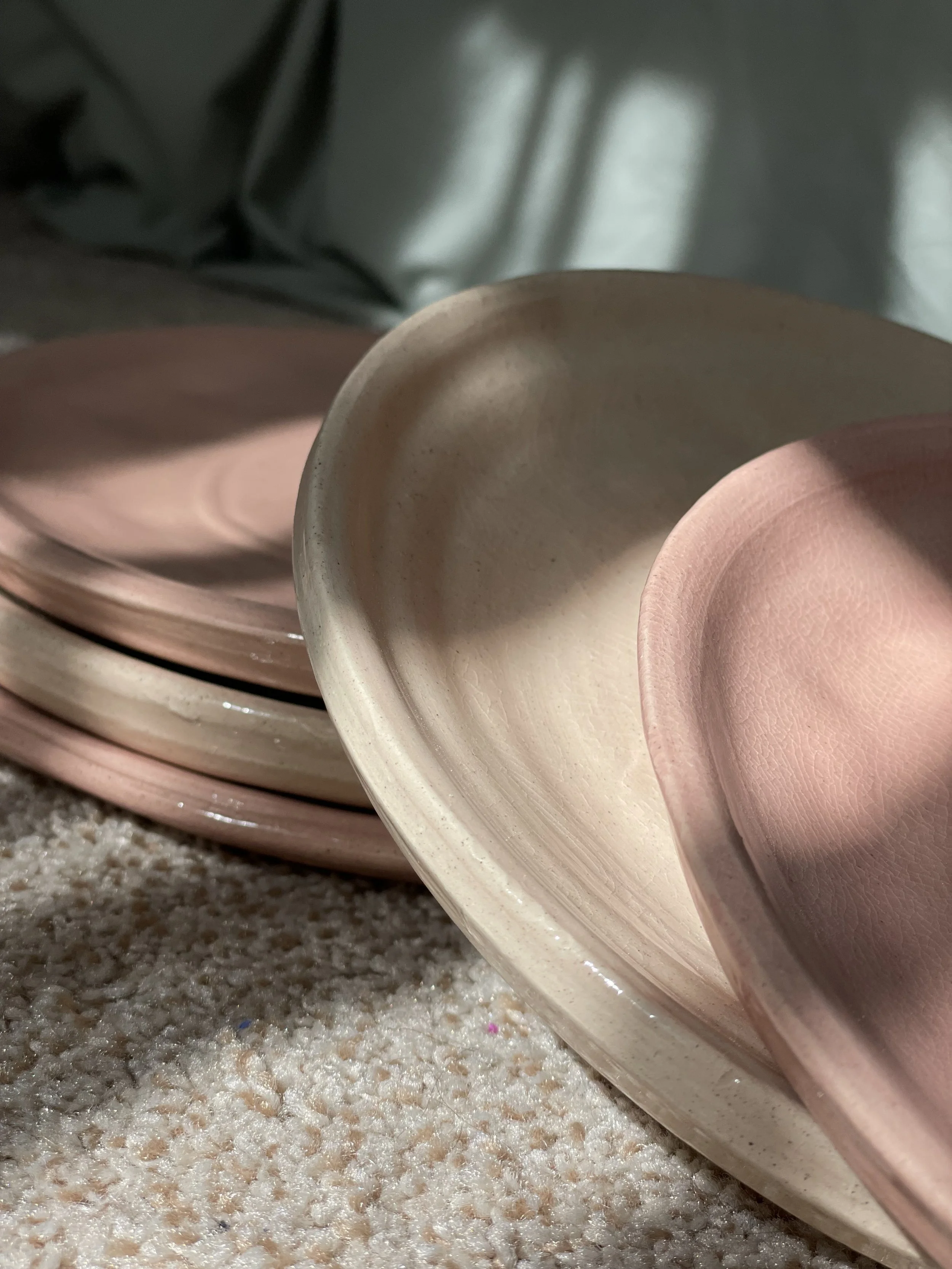
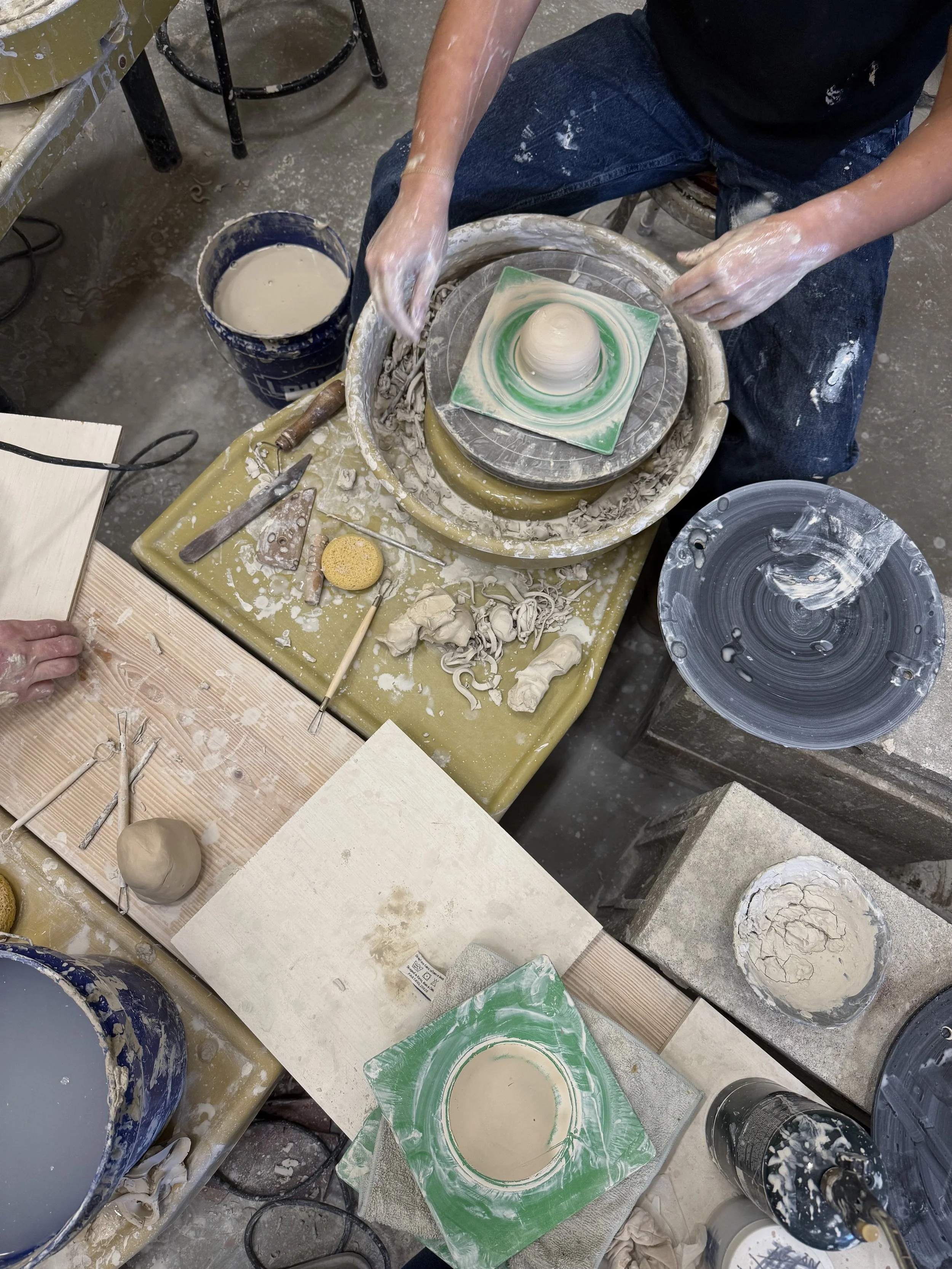
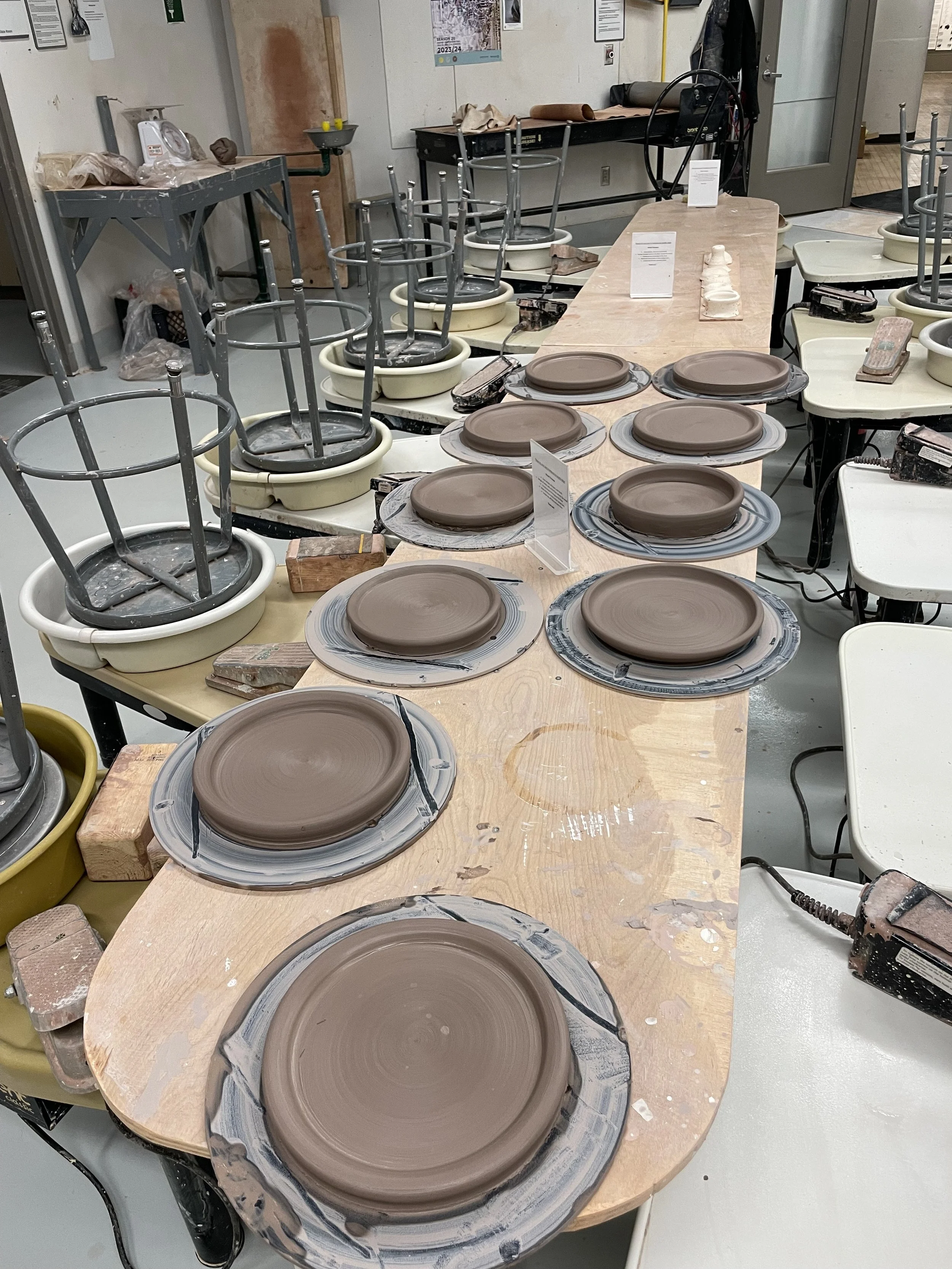
Of all the forms I've created, plates have been the most technically demanding. Unlike taller vessels, plates require precise control to maintain a perfectly level surface throughout the throwing process. Even the slightest variation in thickness or uneven drying can cause warping or cracking, making consistency critical from the wheel to the kiln.
Mastering plates has required years of practice, patience, and more than a few reclaimed pounds of clay. To date, I've completed four full dinnerware sets, each one strengthening my understanding of form, compression, drying techniques, and the subtle adjustments needed to produce durable, functional pieces. While deceptively simple in appearance, a well-thrown plate is one of the most challenging forms to execute successfully.
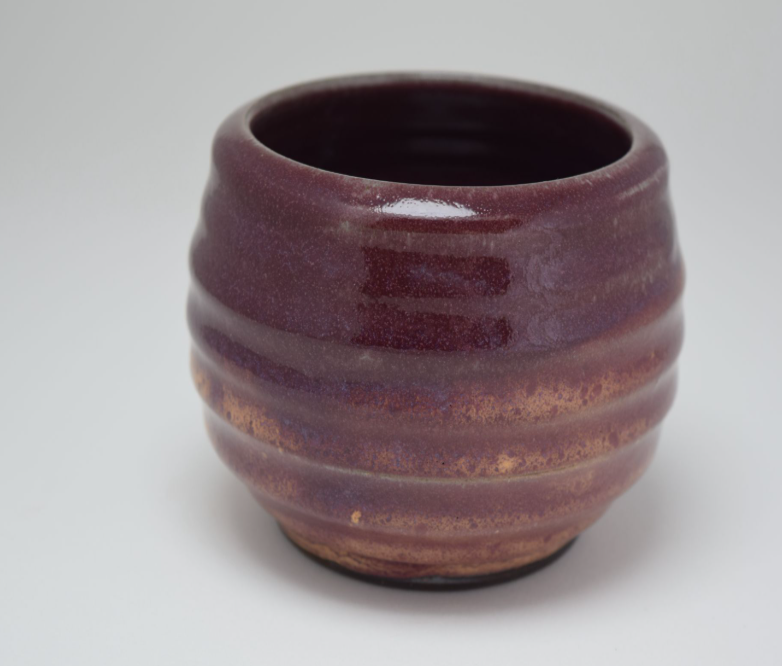
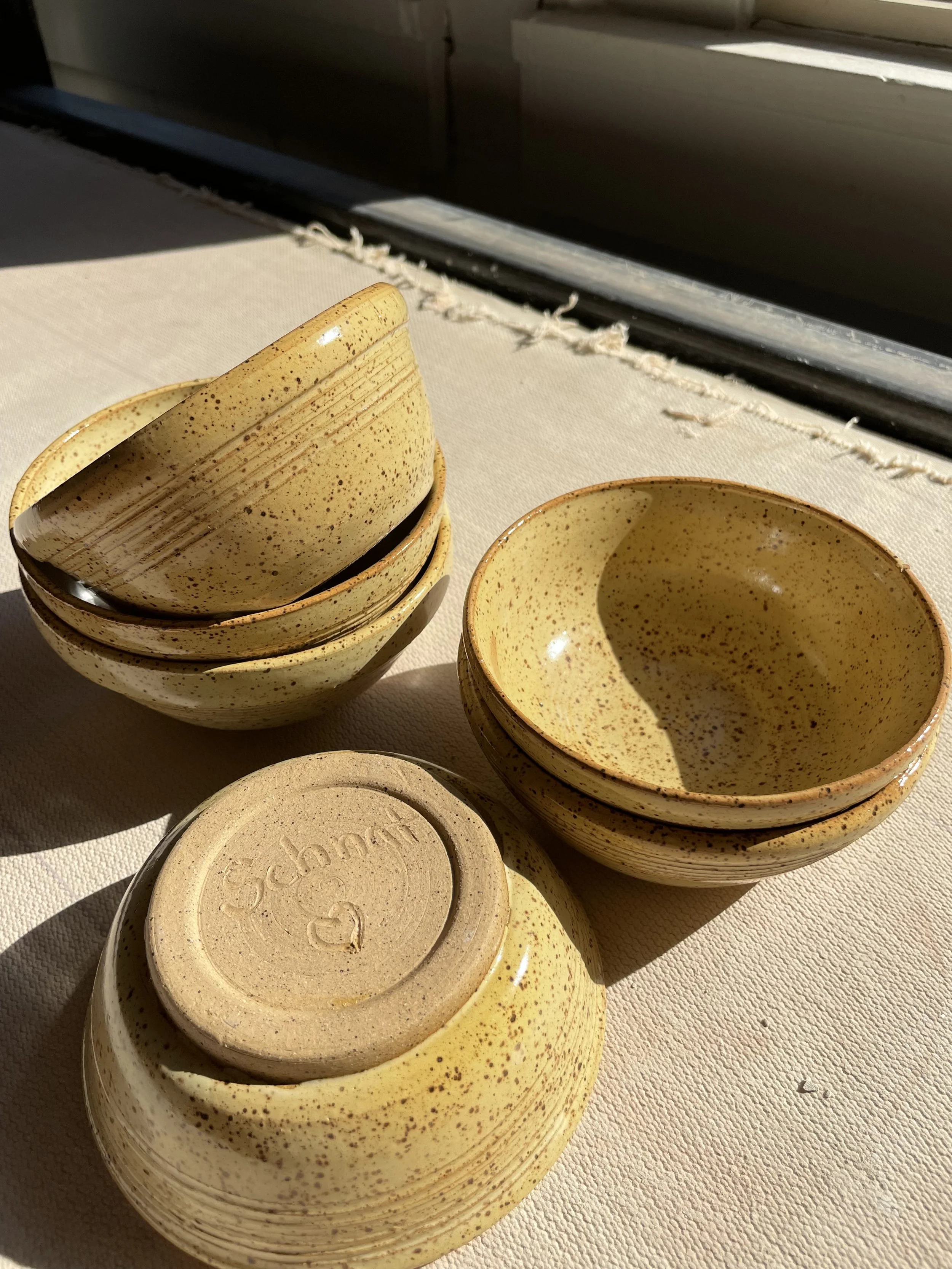
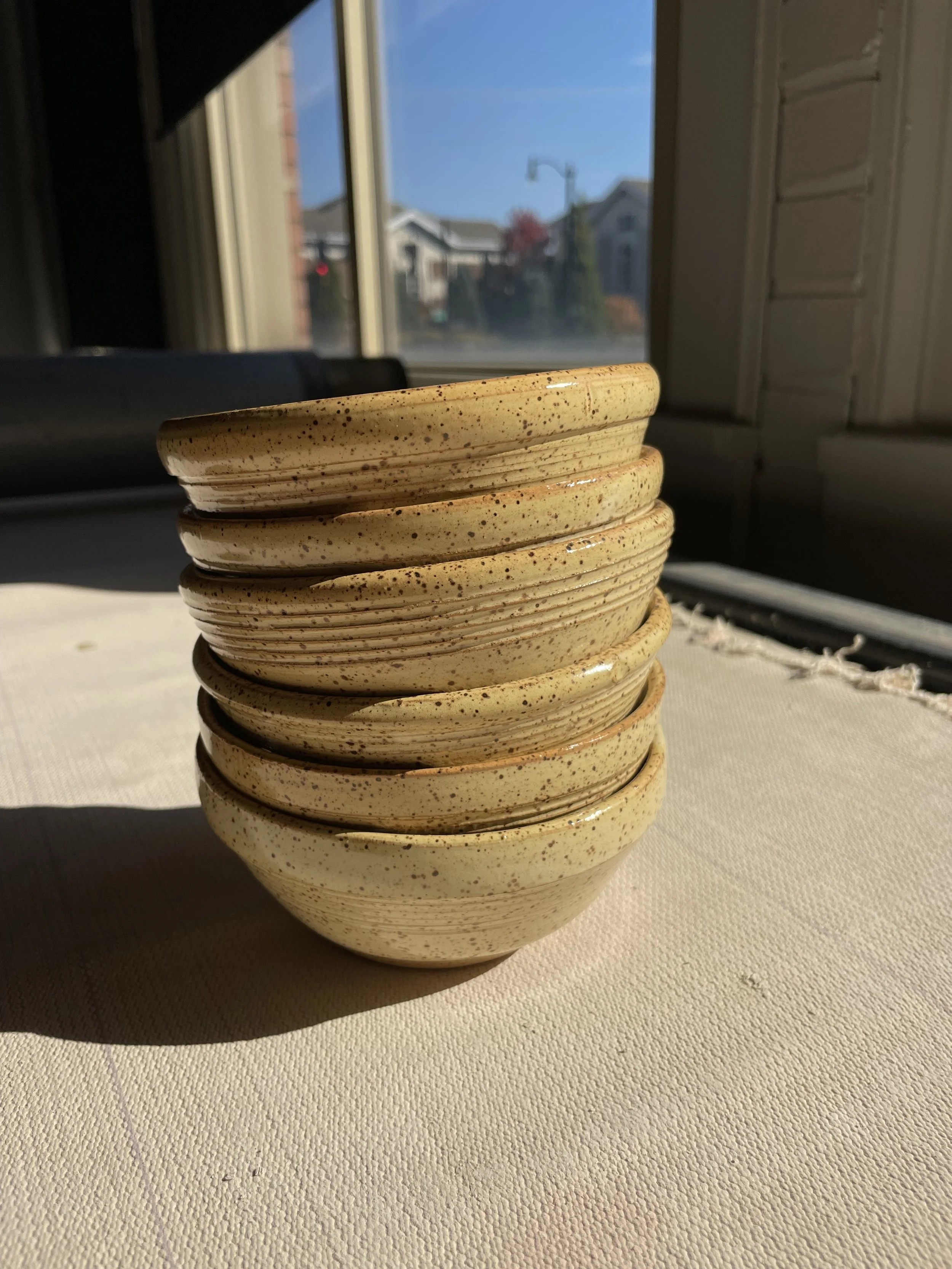
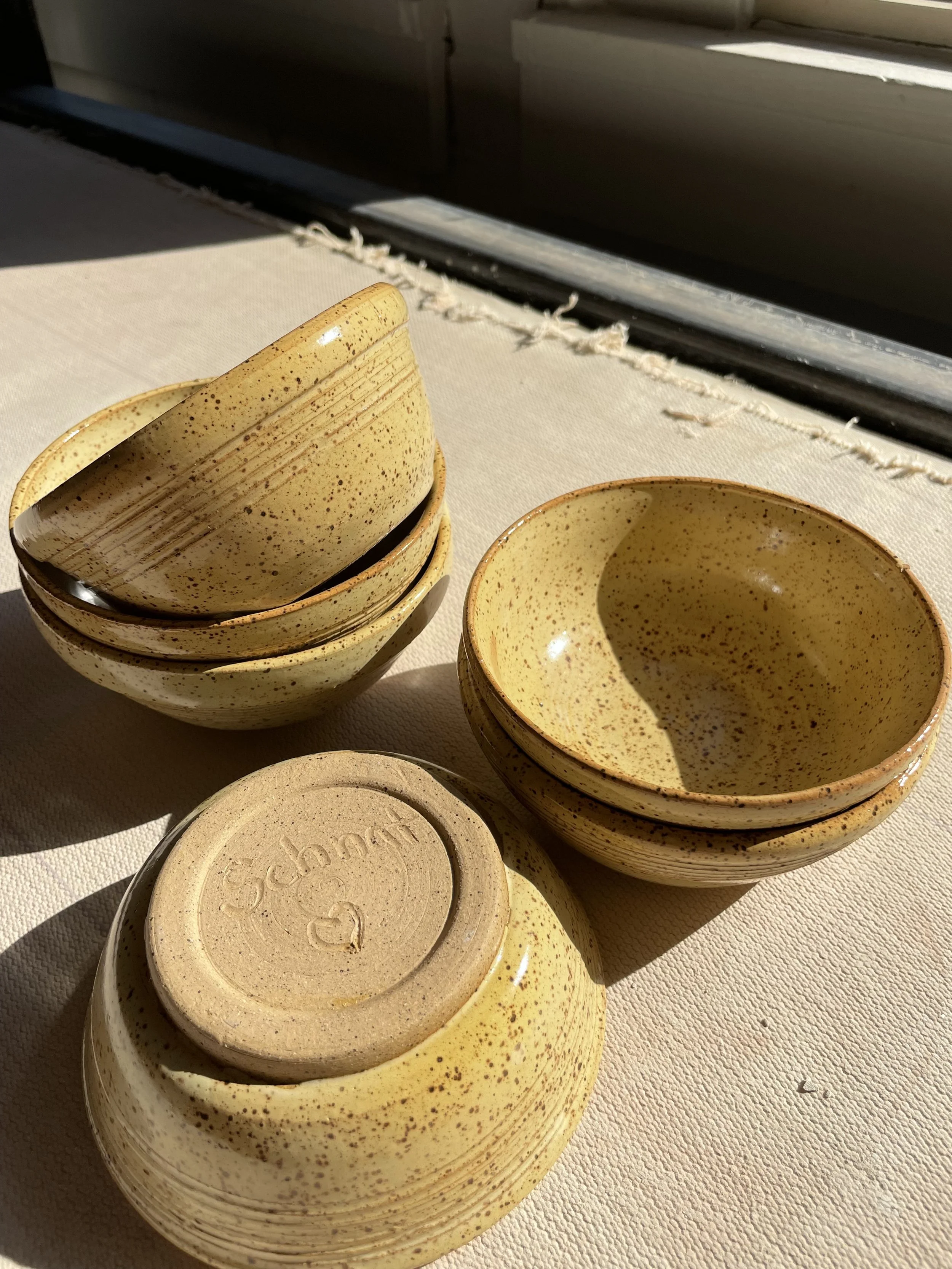
Bowls are often the first form ceramic artists learn on the wheel, serving as the foundation for nearly every other thrown vessel. They teach the essential techniques of centering clay, opening the form, establishing an even base, and—most importantly—pulling the walls. Wall pulling is the process of gradually lifting and thinning the clay through controlled pressure, creating strength, balance, and elegant proportions.
One of my professors once described throwing as "drawing in the air with your hands," a comparison that has stayed with me throughout my ceramic practice. As muscle memory develops, the hands become capable of shaping fluid, intentional curves that transform a simple lump of clay into a functional object. Every bowl is an exercise in rhythm, control, and touch, making it one of the most fundamental—and rewarding—forms in ceramics.
GALLERY