
TEXTILES
Crochet has been part of my creative life for much longer than I initially realized. I first learned how to crochet as a young student in Montessori school, and while I worked with it on and off throughout the years, it wasn't until the last two years that crochet became a significant part of my creative practice.
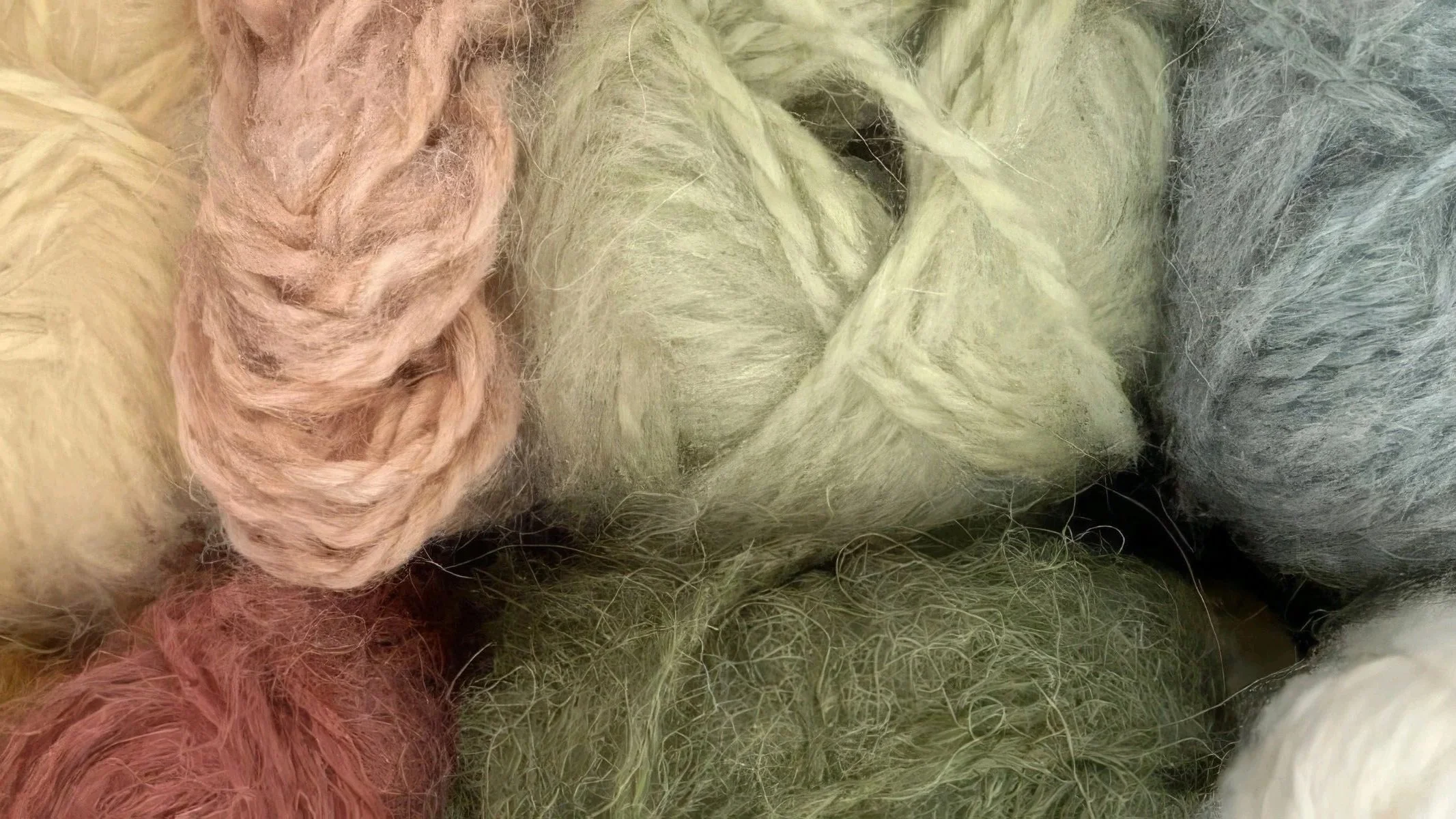
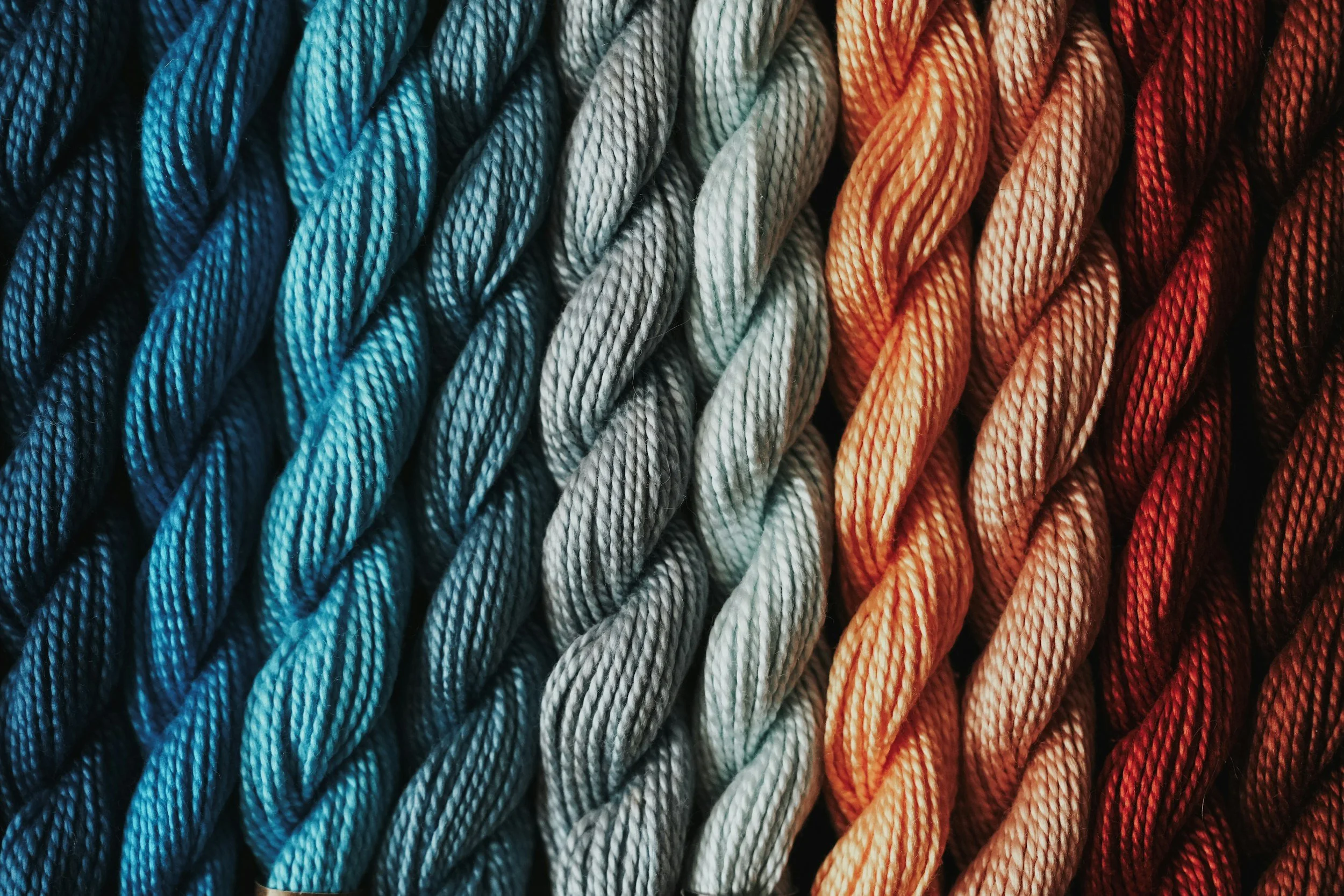
What started as a familiar childhood craft has grown into a skill that I have intentionally developed through increasingly complex patterns, techniques, and projects. Today, I have an entire wall of yarn in my office, a growing collection of finished pieces, and a constant list of projects I want to try next.
For me, crochet sits somewhere between craft, design, and problem-solving. Every piece begins with a pattern or an idea, but the process requires patience, repetition, spatial awareness, and the ability to understand how individual stitches build into a larger form.
My first experience with crochet came through Montessori school, where I was introduced to the basics of working with yarn and a hook. Like many skills learned at a young age, crochet stayed with me even when I wasn't actively practicing it.
Over the years, I would return to it periodically, picking up a project here and there before moving on to something else.
About two years ago, that changed.
I became much more involved in crochet and began intentionally challenging myself to learn new techniques rather than simply making the same types of projects. What began as something familiar quickly became a creative practice that I wanted to continue developing.
The more I learned, the more I wanted to understand what was possible.
Learning Through Repetition
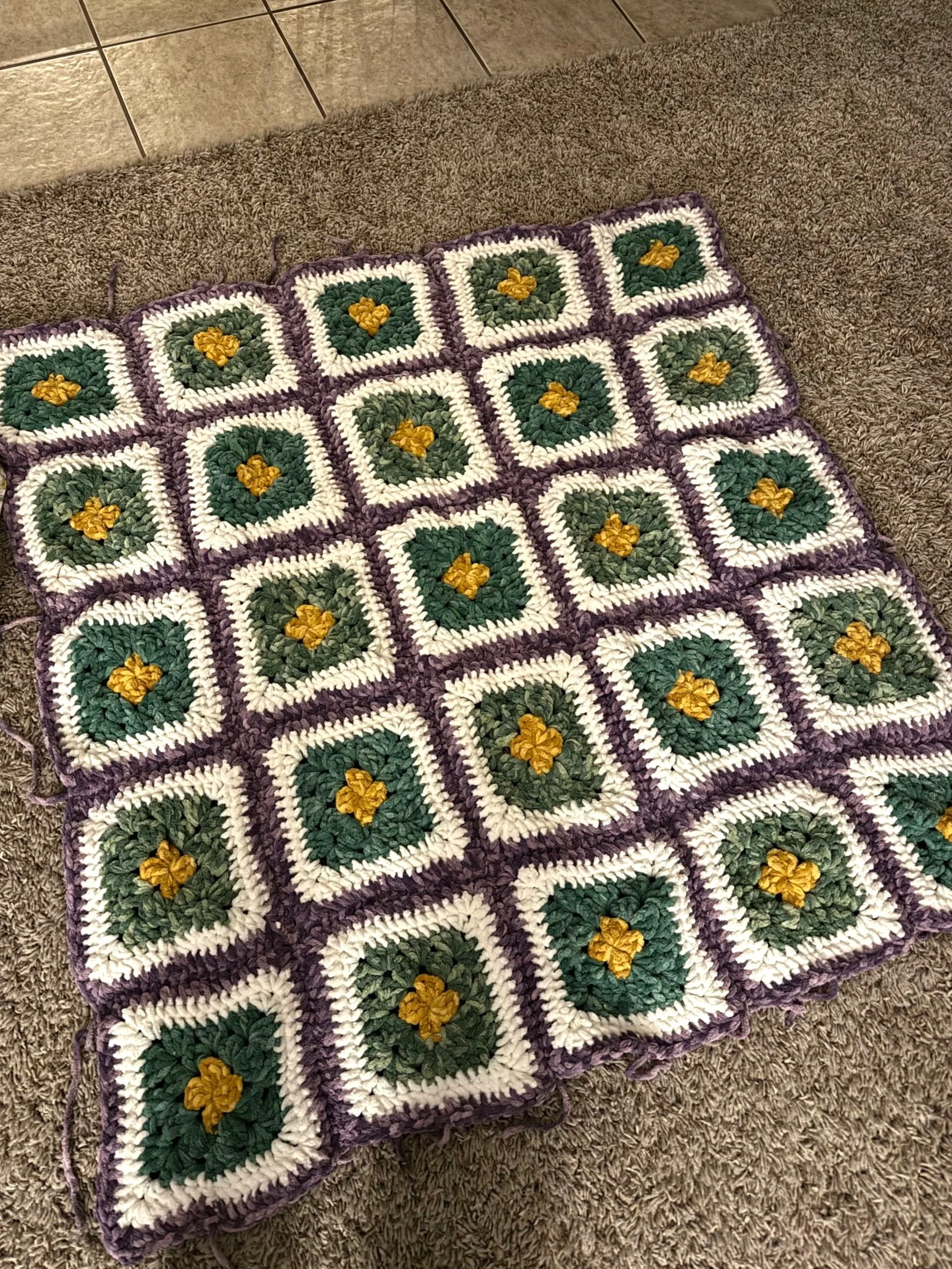
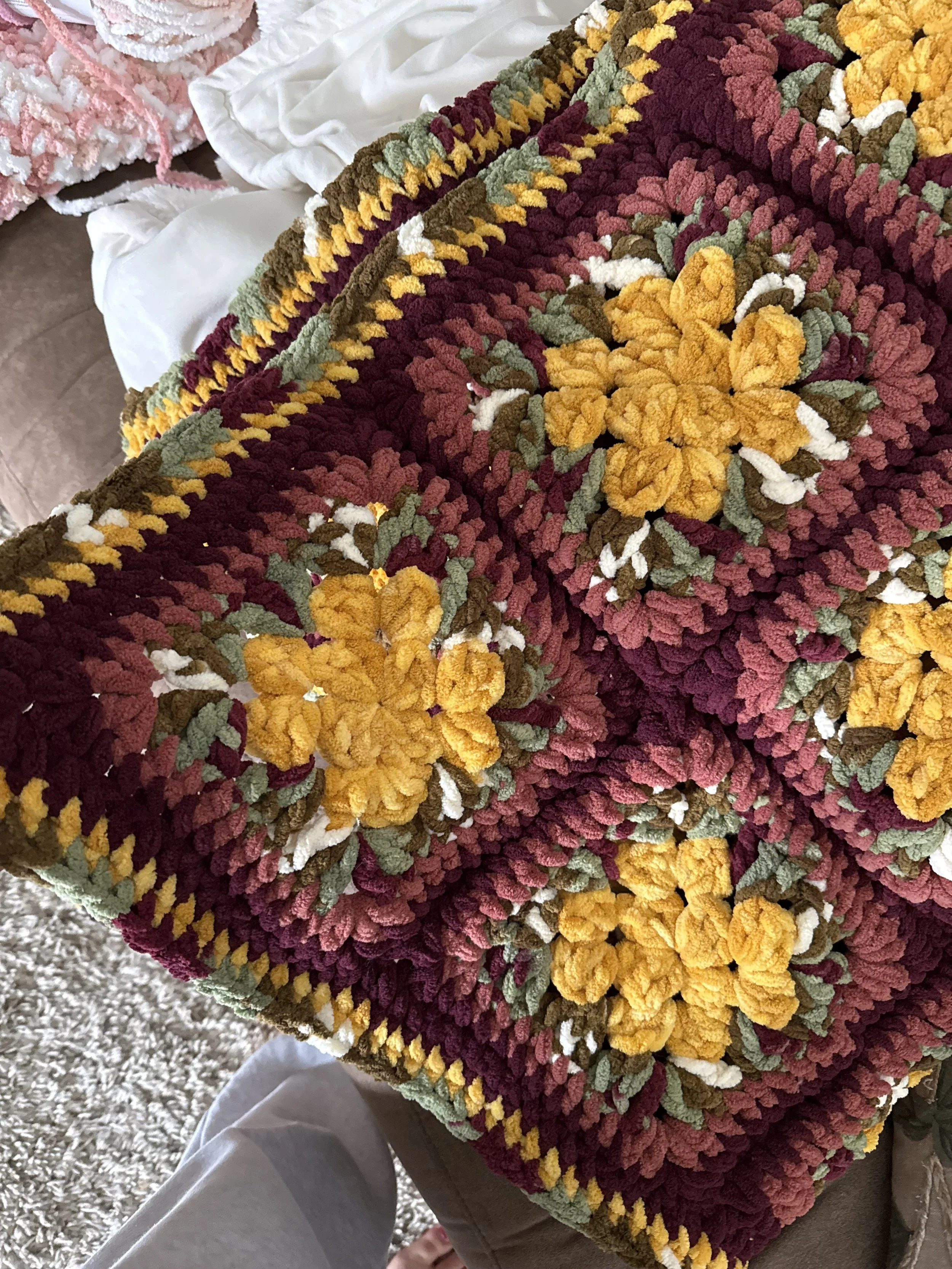
My first major step back into crochet was making granny square quilts.
The granny square is an excellent introduction to crochet because it establishes a rhythm through repetition. Once the basic structure is understood, the same sequence of stitches can be repeated again and again to create individual squares.
That repetition became an important part of how I learned.
Rather than trying to immediately take on complicated patterns, I focused on becoming comfortable with the fundamentals—maintaining consistent tension, recognizing stitch patterns, keeping track of rounds, and understanding how small individual pieces could eventually become a much larger composition.
From Squares to Something you Can Wear!
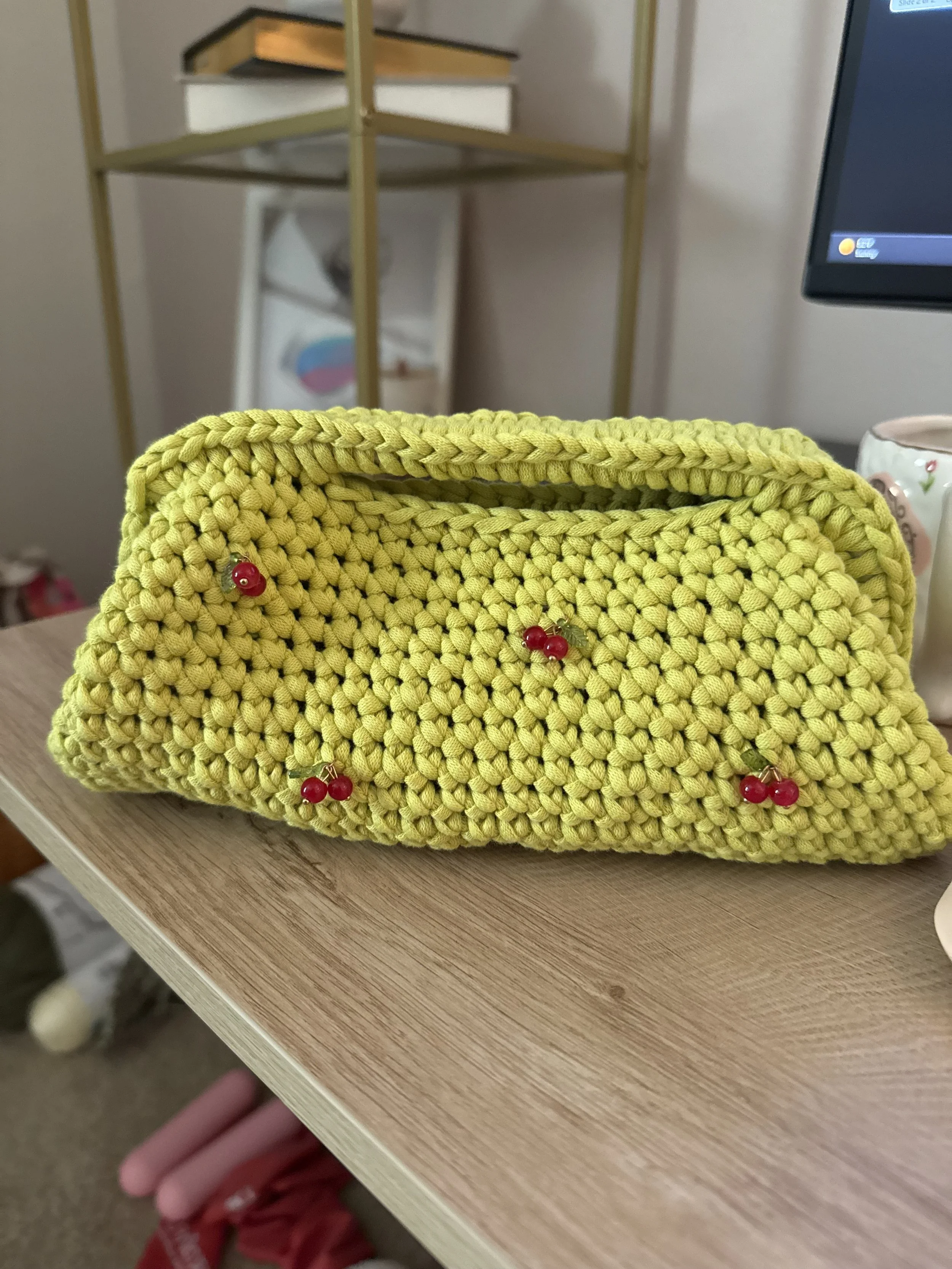
As my confidence grew, I began moving away from individual squares and experimenting with projects that had a more direct function.
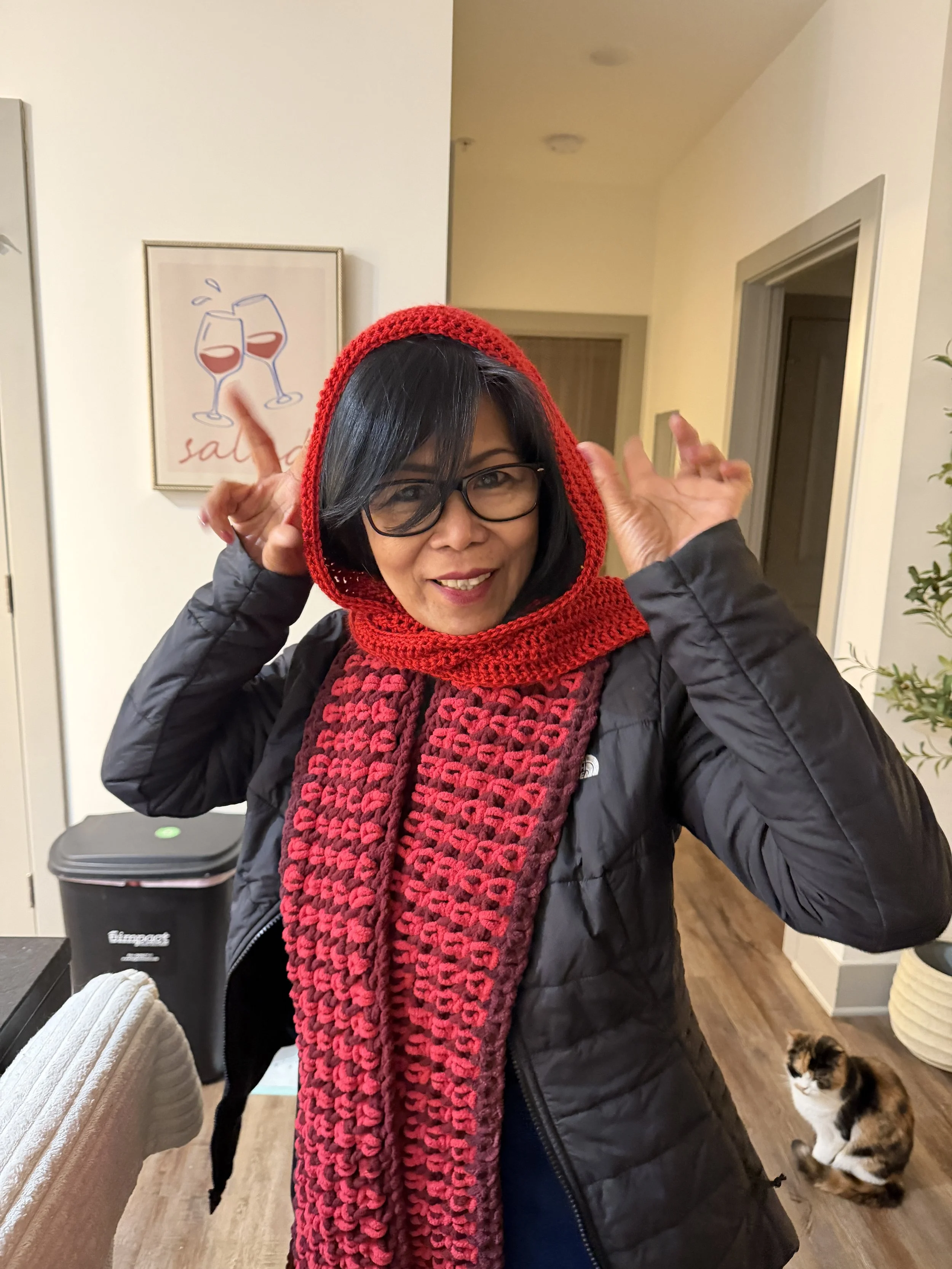
My next focus was wearable crochet—scarves, hats, and other pieces that could actually be used by the people around me.
This happened during the fall, which made the timing particularly fitting. I wanted to create things that were not only visually interesting, but that my friends and family could actually use.
Making something for another person changed the way I thought about the work. Instead of simply asking whether I liked how a piece looked, I started considering questions of size, comfort, construction, durability, and how the finished piece would function in someone's everyday life.
Stuffed Animals - Exploring 3-Dimensional Form
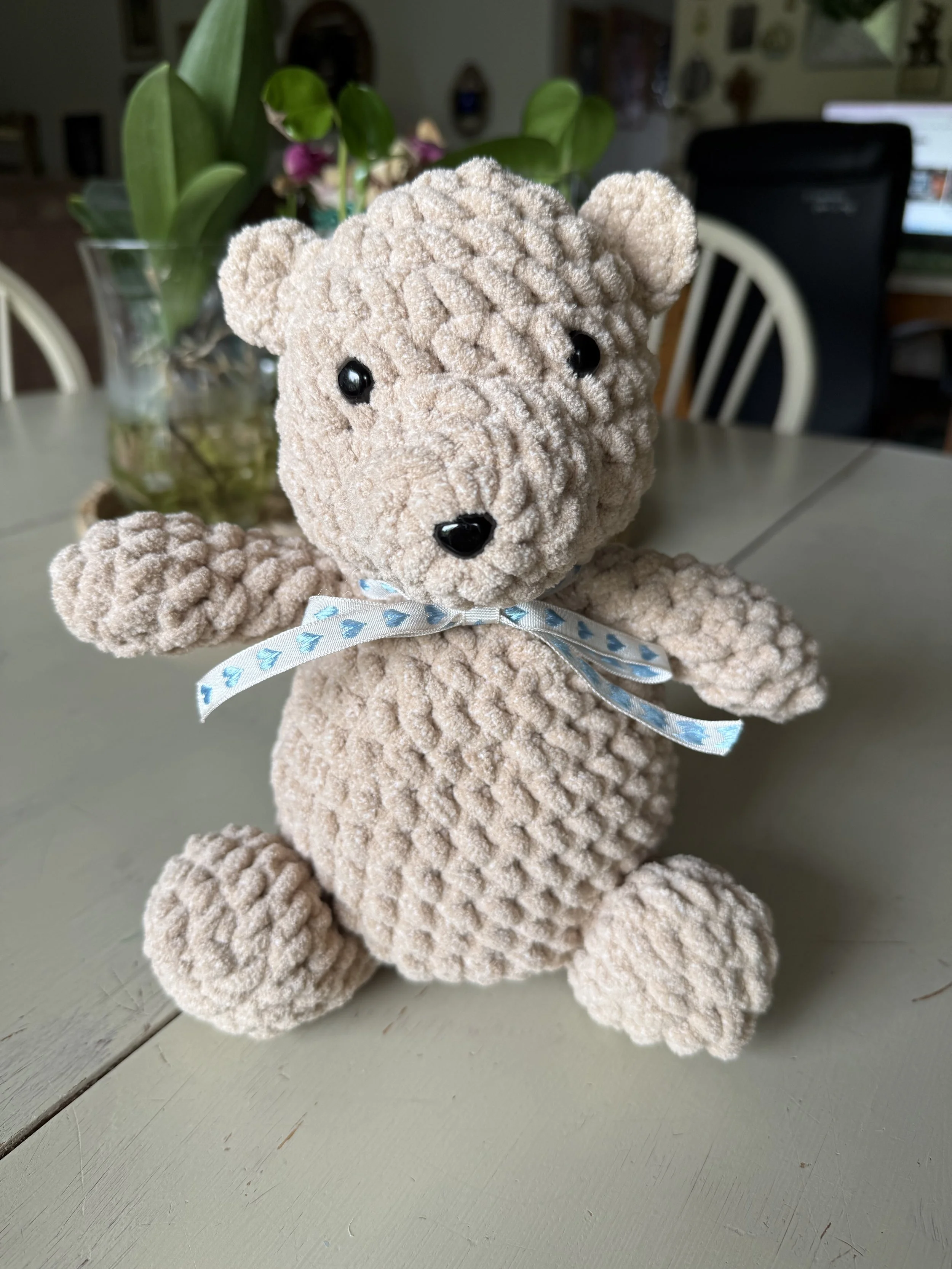
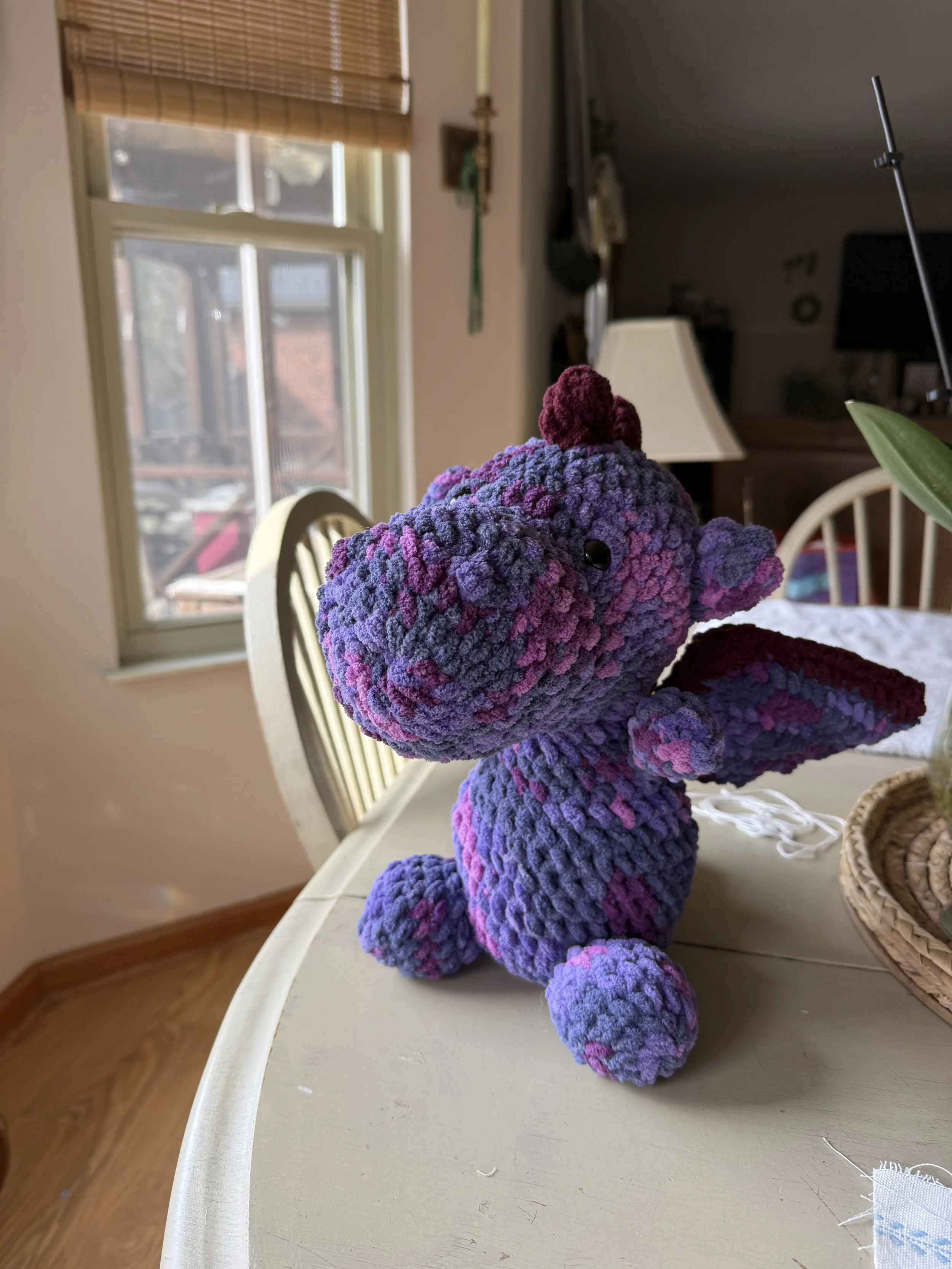
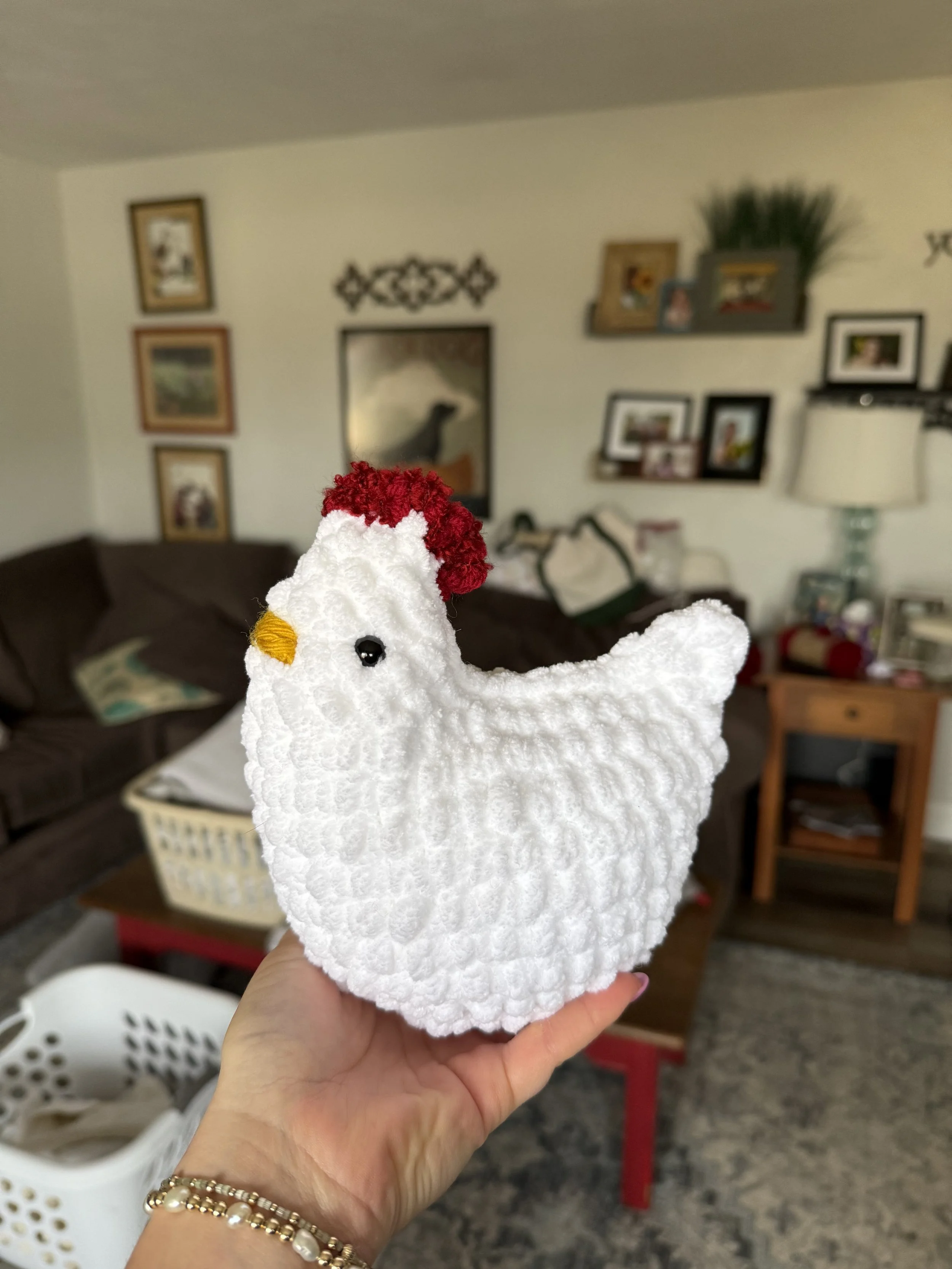
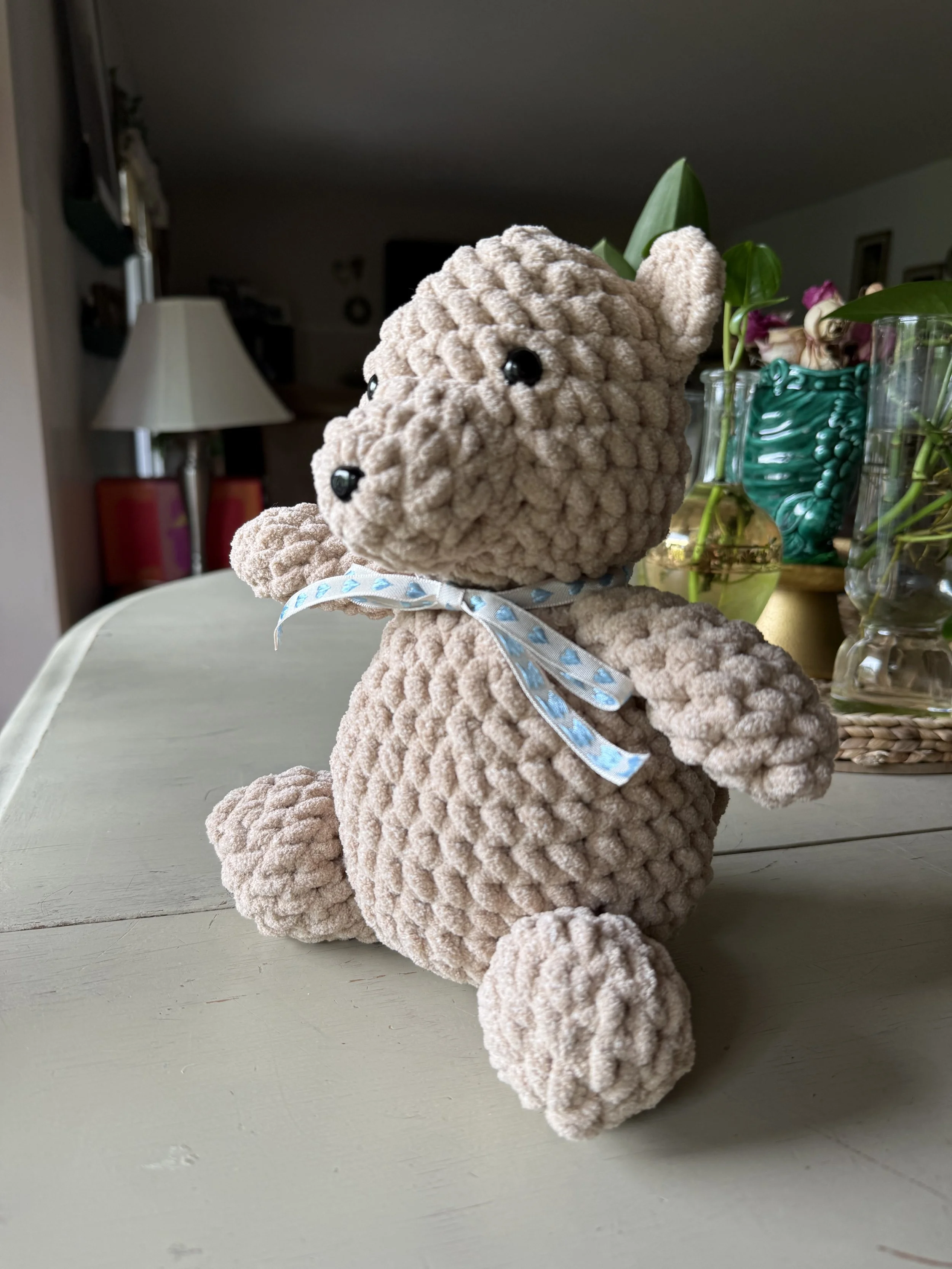
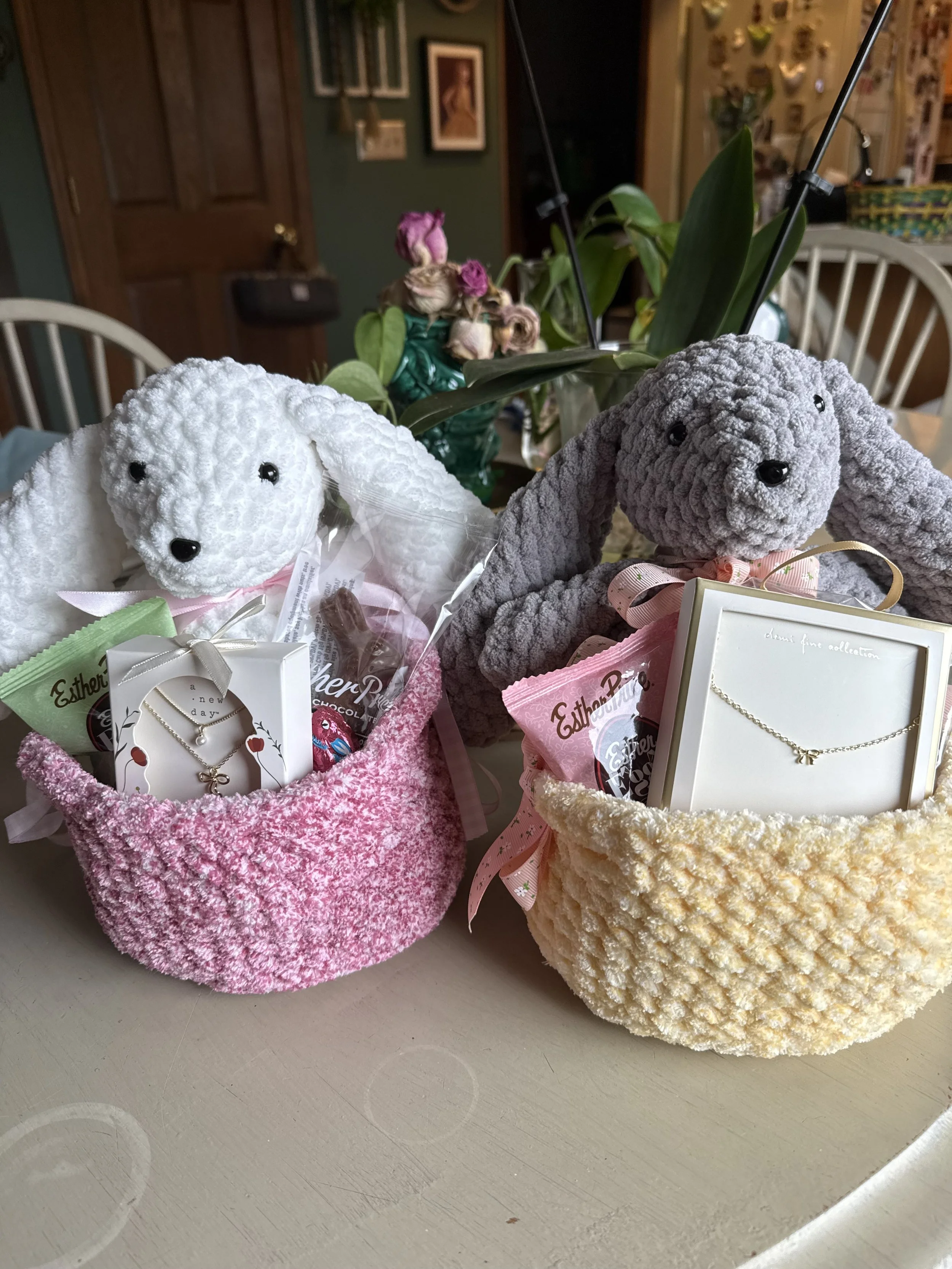
Later in my crochet journey, I began making stuffed animals.
There is an enormous variety of crochet animal patterns available, which made this stage of the process particularly fun. Each project presented a different construction challenge and required me to think about shaping in a more three-dimensional way.
Unlike a flat square or scarf, stuffed animals require multiple components to come together into a recognizable form. Changes in stitch count, increases, decreases, shaping, and assembly can dramatically affect the final result.
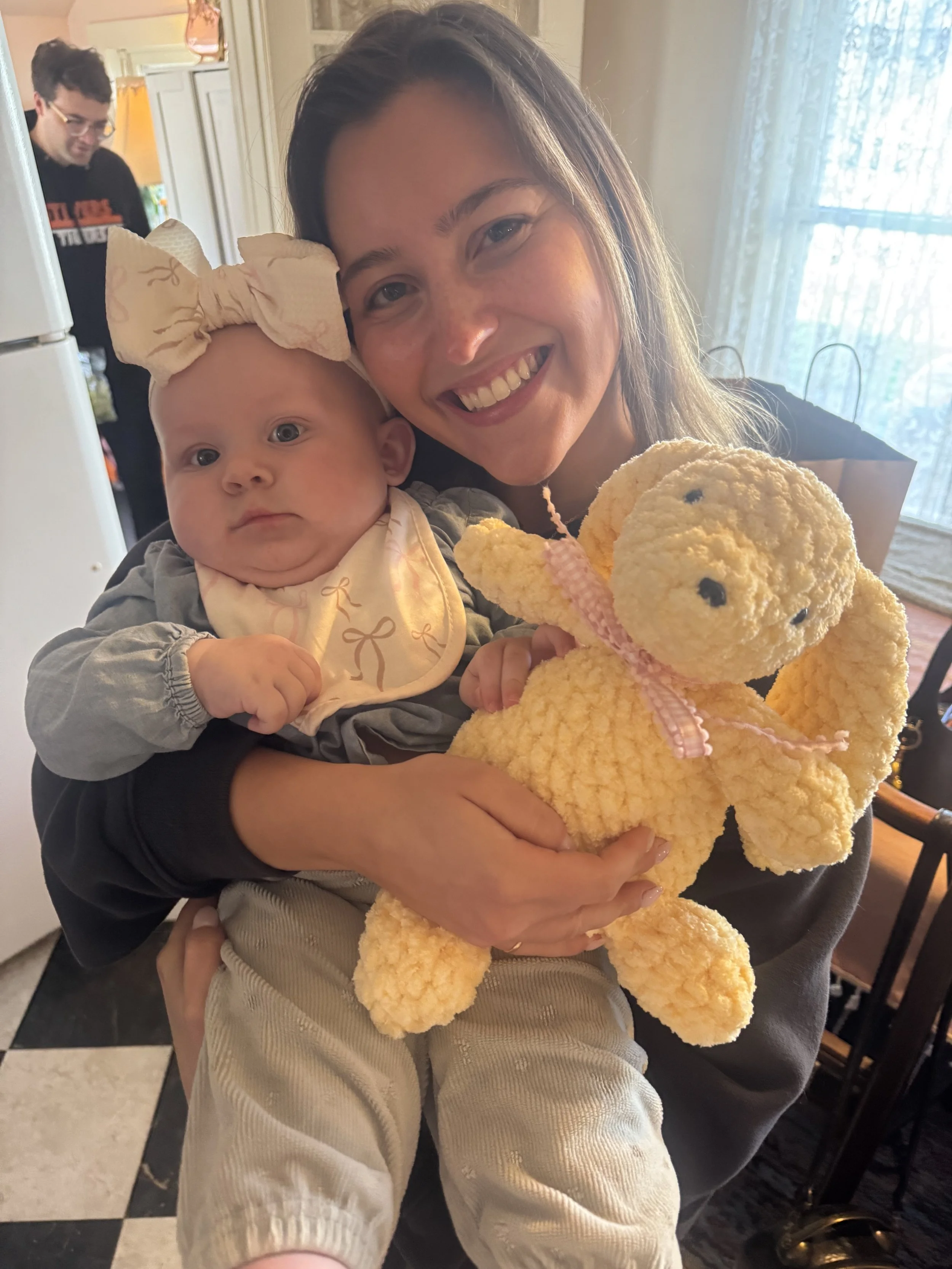
Stuffed animals quickly became some of my favorite projects to make for other people.
I especially enjoyed creating them for friends and family who had babies. Seeing someone else interact with something I had made was incredibly rewarding, particularly when the finished piece became something that could be kept, displayed, or eventually become part of a child's world.
These projects reinforced one of the things I value most about making: the finished object has a life beyond the process of creating it.
THE STICK OF BUTTER
My Largest Crochet Project to Date
The stick of butter is one of the most personal and ambitious crochet projects I have completed. The finished piece is a massive body pillow designed to look like a stick of butter, and it took approximately four full days to complete. The project was made as a birthday gift for one of my closest friends, who loves cooking and baking. Her family owns a restaurant, and we also bake together every week, so the idea was a very intentional nod to something that has become part of our friendship. It was funny, specific, and sentimental—which made it exactly the kind of project I wanted to make.
What made the butter especially meaningful was that it wasn't something I was making simply because I wanted to practice a particular technique. I was designing something around a person. The project required a significant amount of time and material, as well as careful attention to scale and construction. Creating such a large piece also pushed me to think differently about proportion, structure, and how a crochet pattern translates into an oversized object.
Four days of work eventually resulted in a giant, extremely impractical, and very personal stick of butter.
And I couldn't have been happier with it.
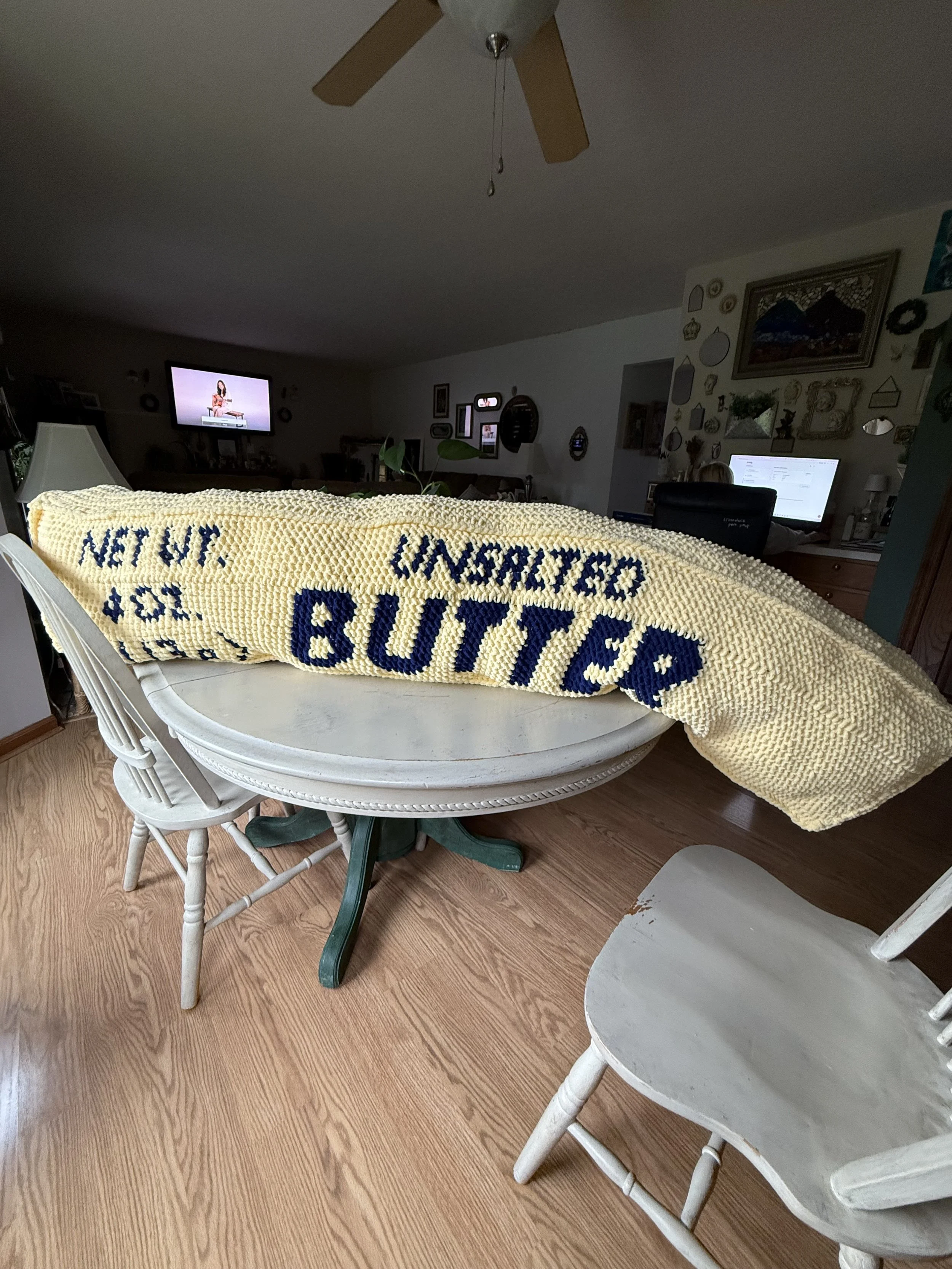
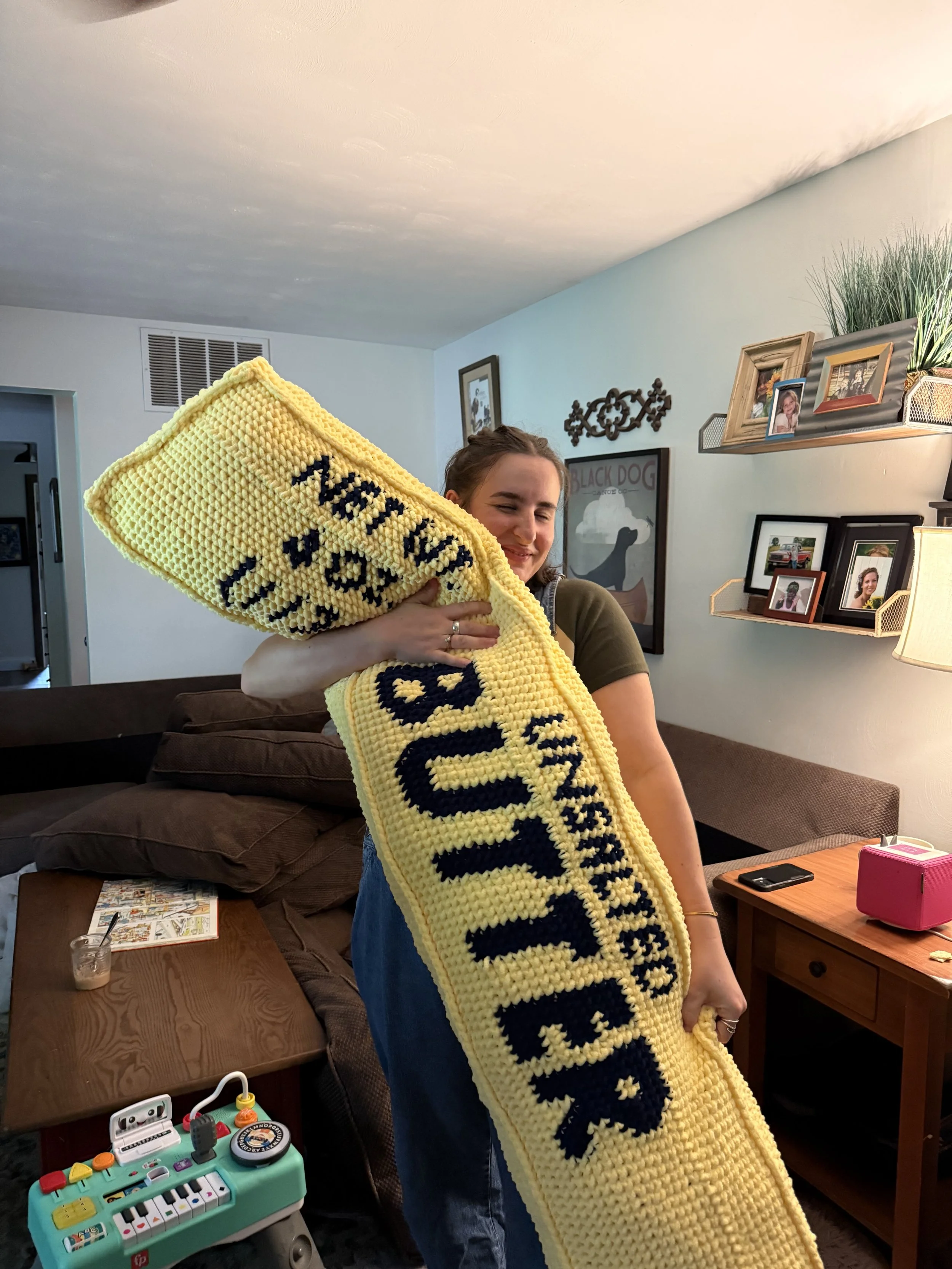
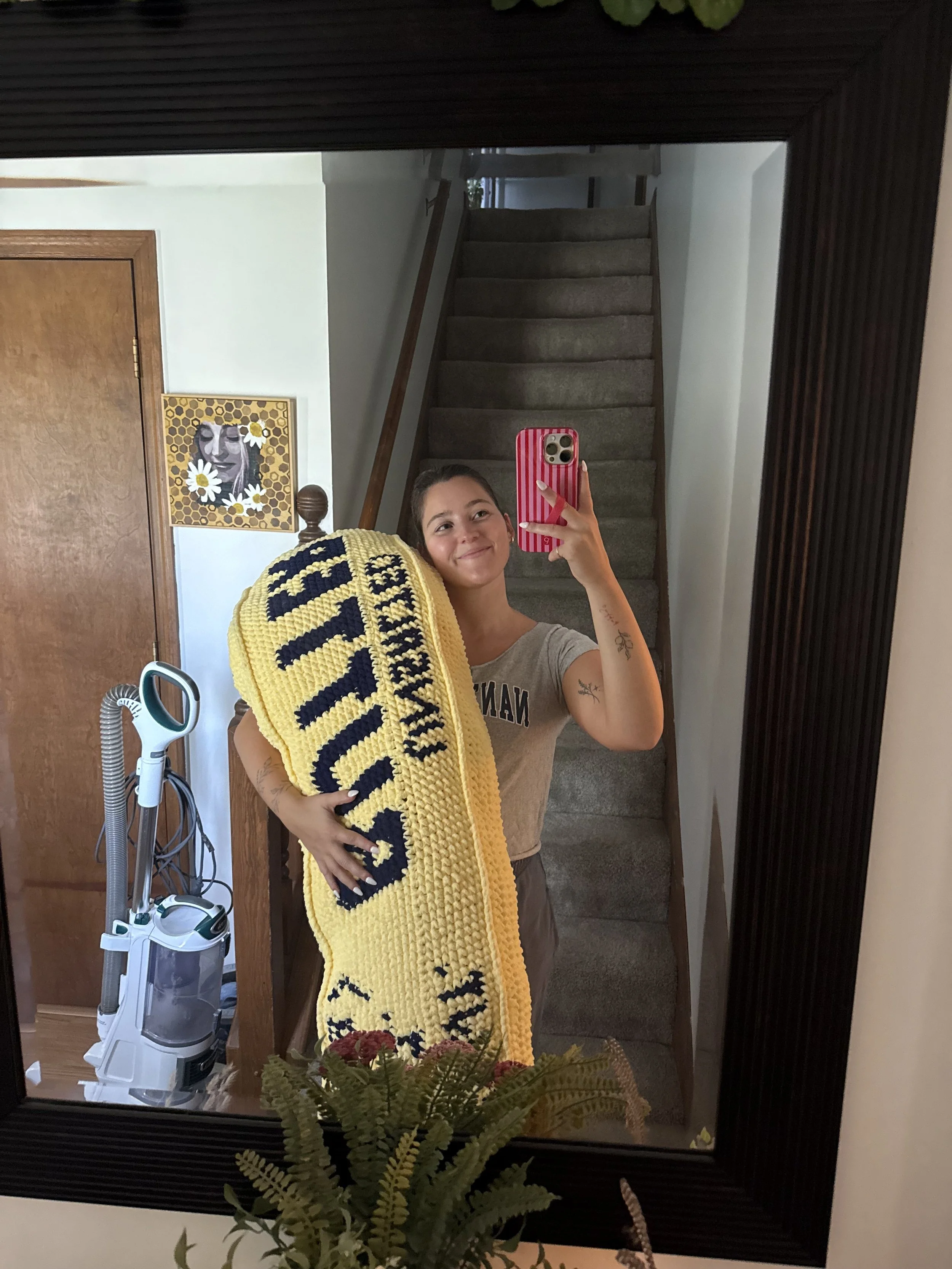
The butter represents an important point in my crochet journey because it was one of the first projects where the idea itself became just as important as the technique. It wasn't simply about learning how to crochet something—it was about using crochet as a way to communicate something personal.
That is one of the reasons it remains one of the projects I'm most proud of.
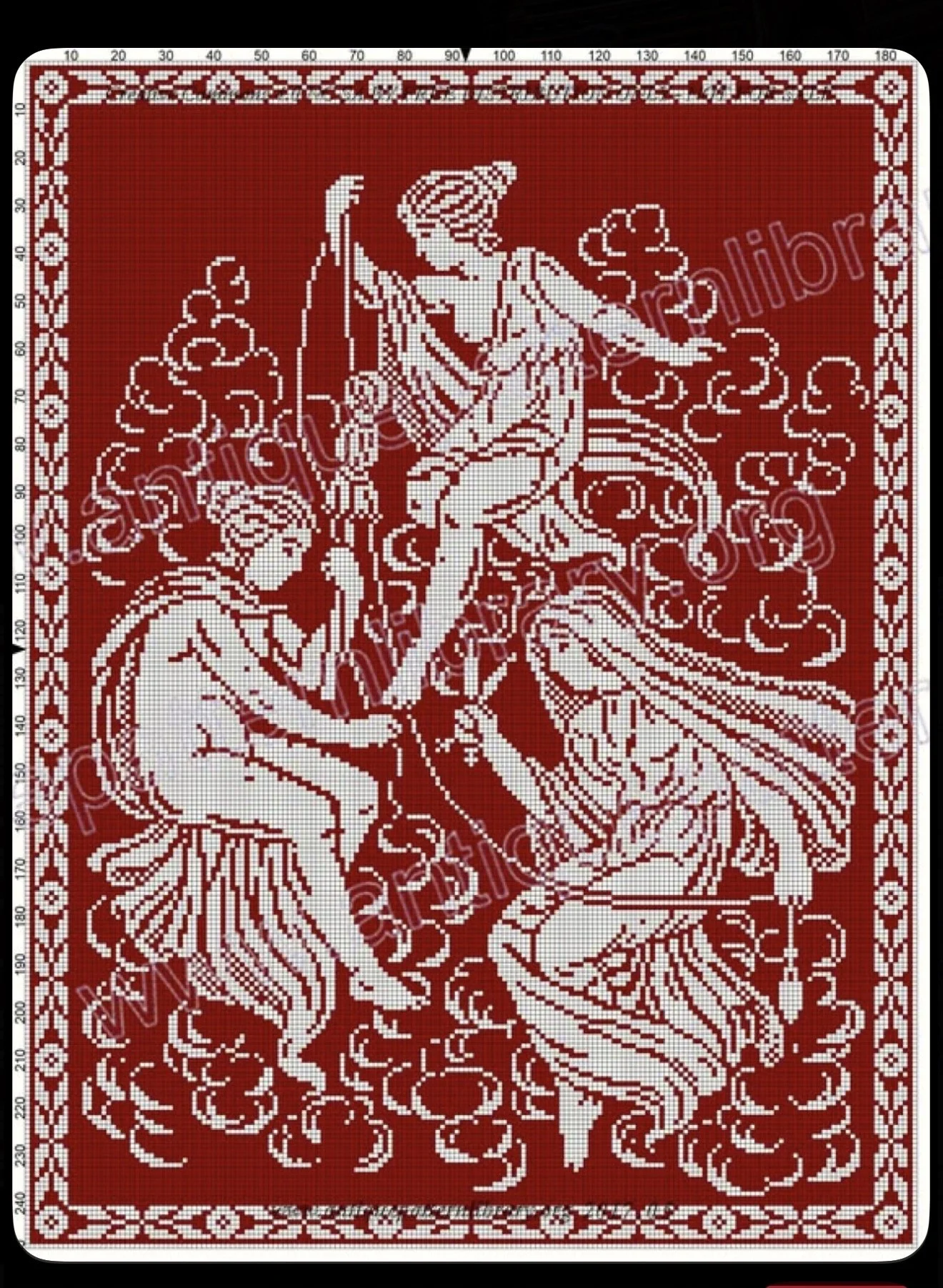
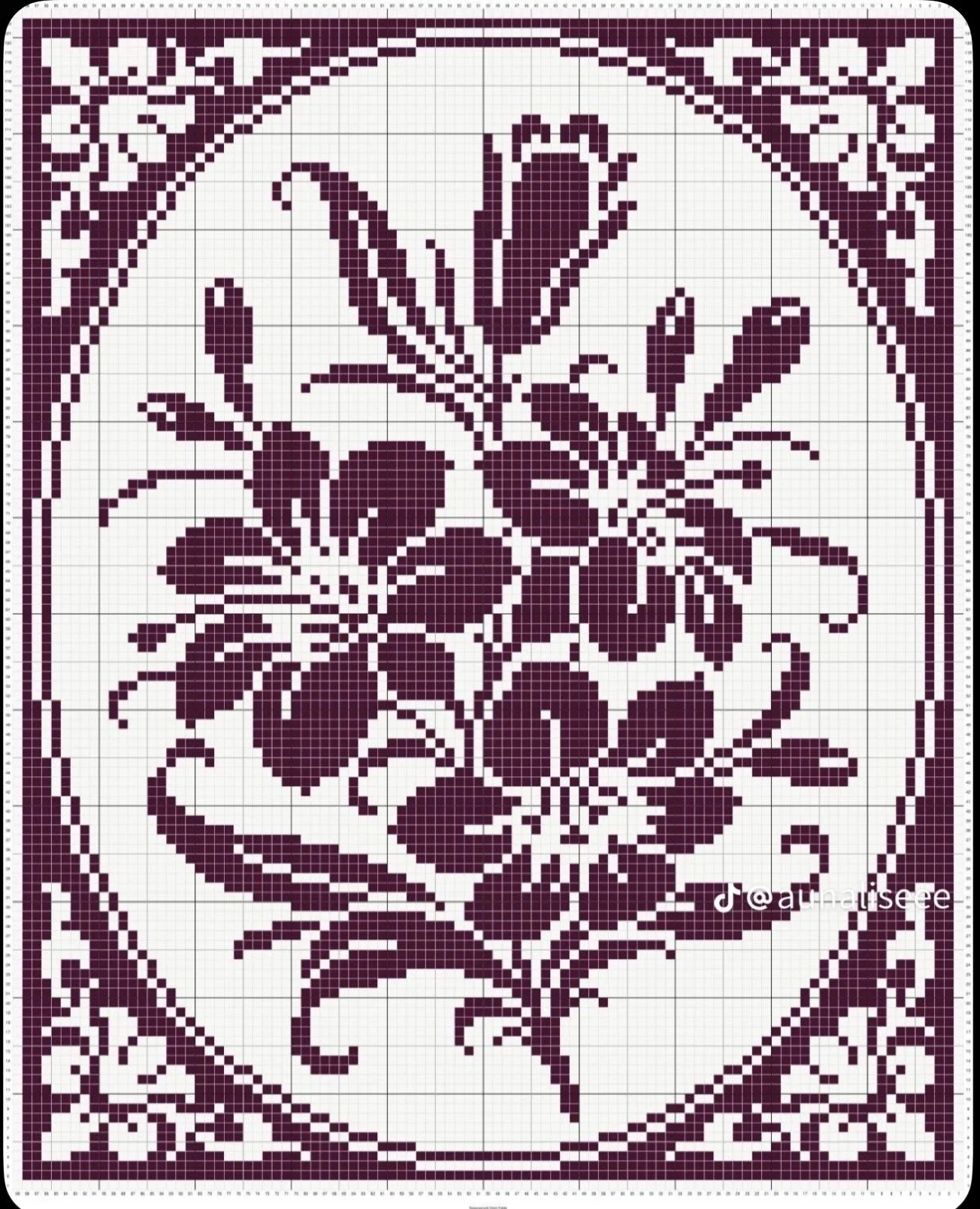
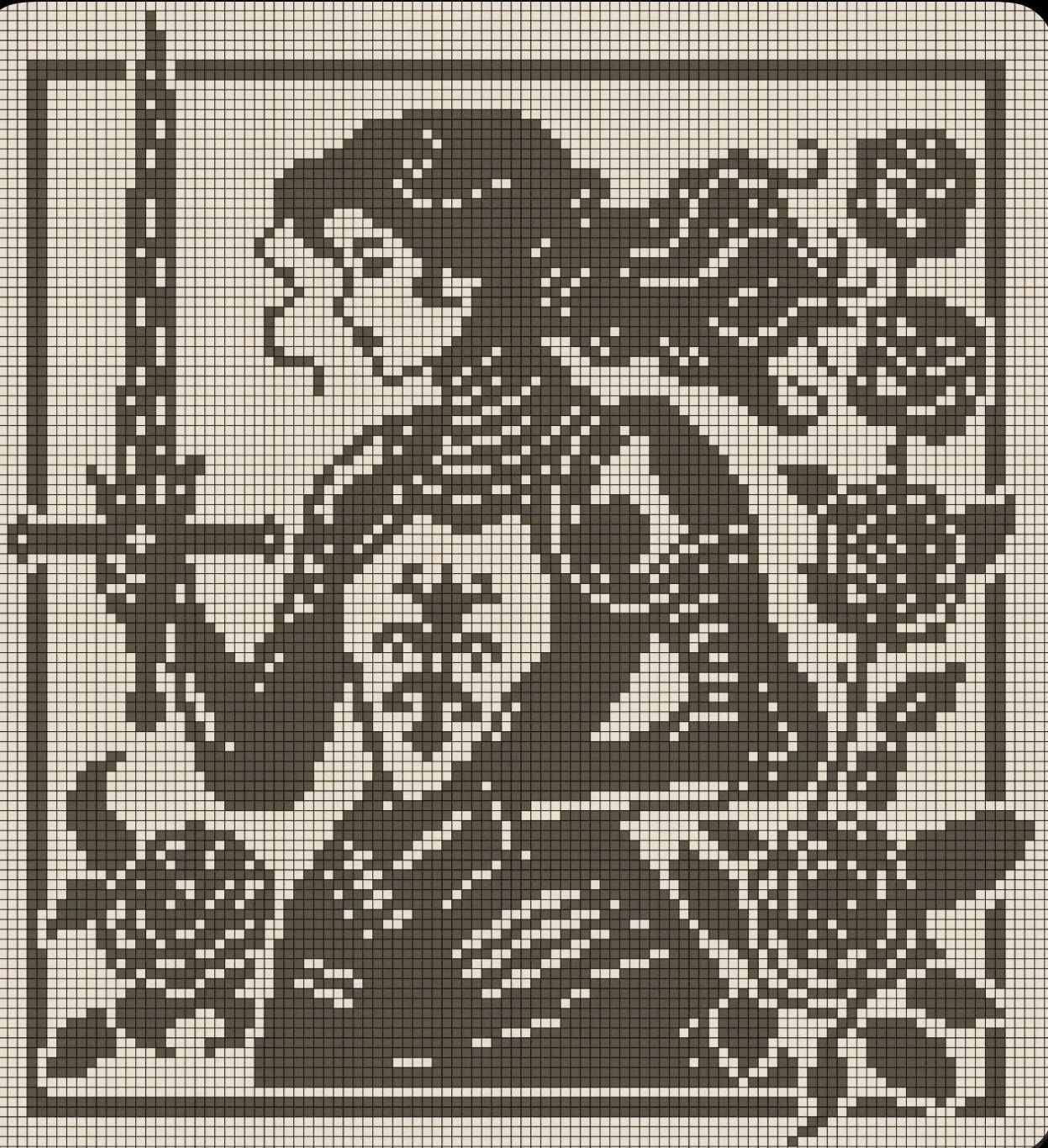
Tapestry Crochet - Repetition to Image Creation
The butter project eventually led me toward where my crochet practice is today: tapestry crochet.
Tapestry crochet has been the most technically challenging crochet technique I have learned so far.
Instead of working with a single color or a simple repeating pattern, tapestry crochet uses multiple colors according to a grid-based design. Each square in the grid represents a stitch or color placement, and the individual stitches build into a complete image or graphic.
The process is similar to translating a pixel-based image into physical form.
Working From a Grid
Tapestry crochet requires a different level of attention than the projects I started with. I have to follow a visual grid while simultaneously keeping track of stitch counts, color changes, tension, and the overall progression of the image. A single misplaced stitch can affect the pattern across an entire row, which makes accuracy particularly important. The technique combines many of the skills I've developed throughout my crochet journey:
Pattern recognition — understanding how individual symbols and stitches translate into a larger image.
Repetition — maintaining consistency across hundreds or thousands of stitches.
Color management — working with multiple colors while keeping the pattern visually clean.
Spatial awareness — understanding how a two-dimensional grid translates into a physical textile.
Precision — maintaining stitch counts and placement so the image remains accurate.
The Most Technical Stage of My Practice
Tapestry crochet represents a significant shift in the way I think about crochet.
I am no longer only thinking about the shape or function of an object. I'm thinking about how to construct an image one stitch at a time.
There is something especially satisfying about watching an image slowly emerge from what initially looks like a collection of individual stitches.