
STUDIO & TECHNICAL
The technical work behind a successful creative environment.
Creative work depends on more than ideas. It also depends on the spaces, materials, equipment, systems, and processes that make those ideas possible.
My experience as a Studio Technician at the University of Dayton gave me hands-on responsibility for the practical side of a large creative environment. Working behind the scenes taught me how much organization, maintenance, safety, and technical knowledge are required to support artists and students effectively.
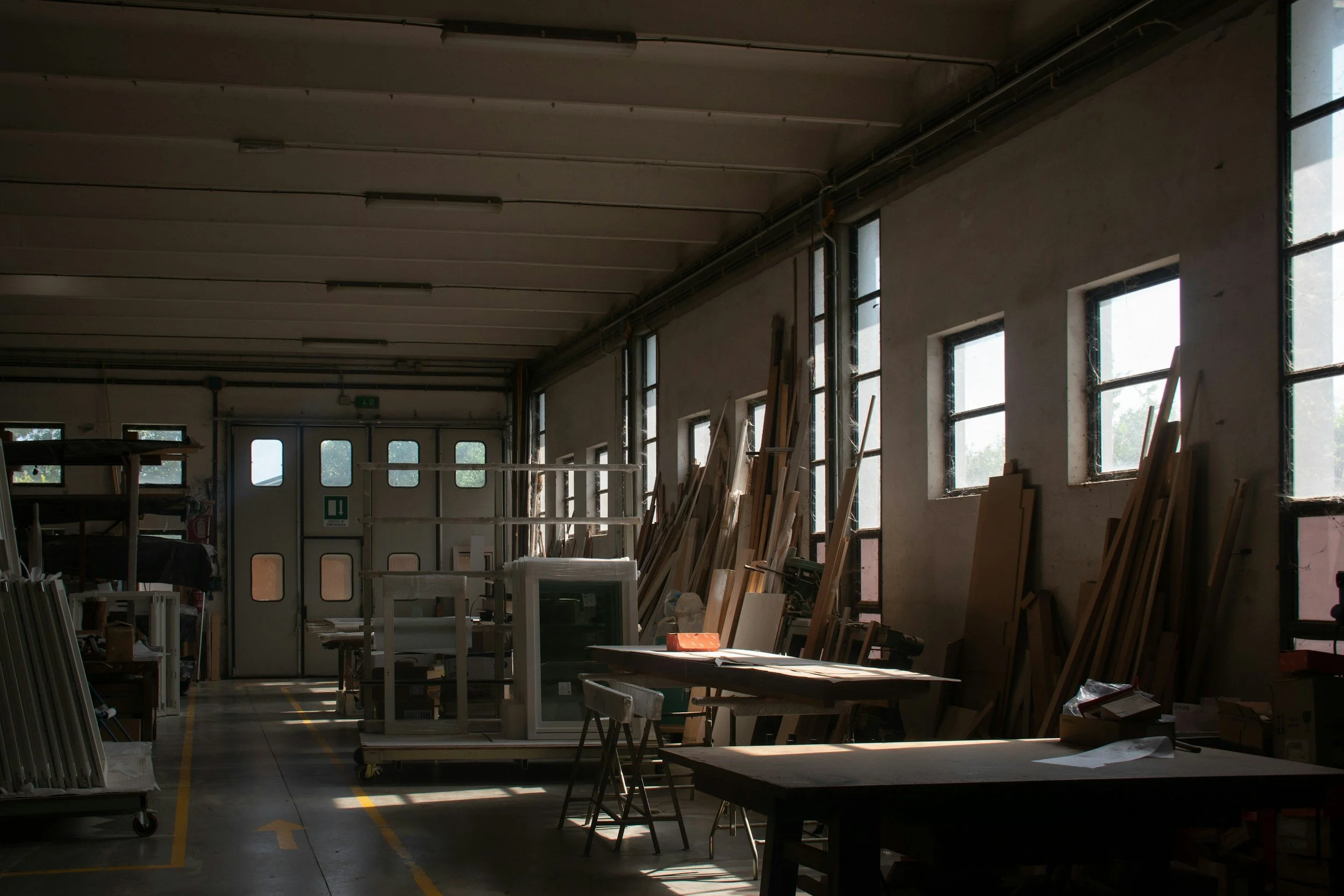
STUDIO TECHNICIAN - UNIVERSITY OF DAYTON
As a Studio Technician, I worked within the university's studio facilities and supported the day-to-day operation of creative workspaces.
My responsibilities extended beyond simply maintaining a clean studio. I worked with equipment, materials, chemicals, kilns, and physical infrastructure while helping ensure that the space remained safe, organized, and functional for students and faculty.
The position required both technical knowledge and physical responsibility. I regularly worked with heavy materials and equipment and learned how to approach physically demanding tasks carefully and efficiently.
TECHNICAL RESPONSIBILITIES
Studio organization and maintenance
Ceramic studio cleaning
Kiln operation and support
Equipment maintenance
Material preparation
Chemical handling
Hazardous material disposal
Clay and material management
Safety procedures
Workspace preparation
Supporting students and faculty
Moving and lifting heavy equipment and materials
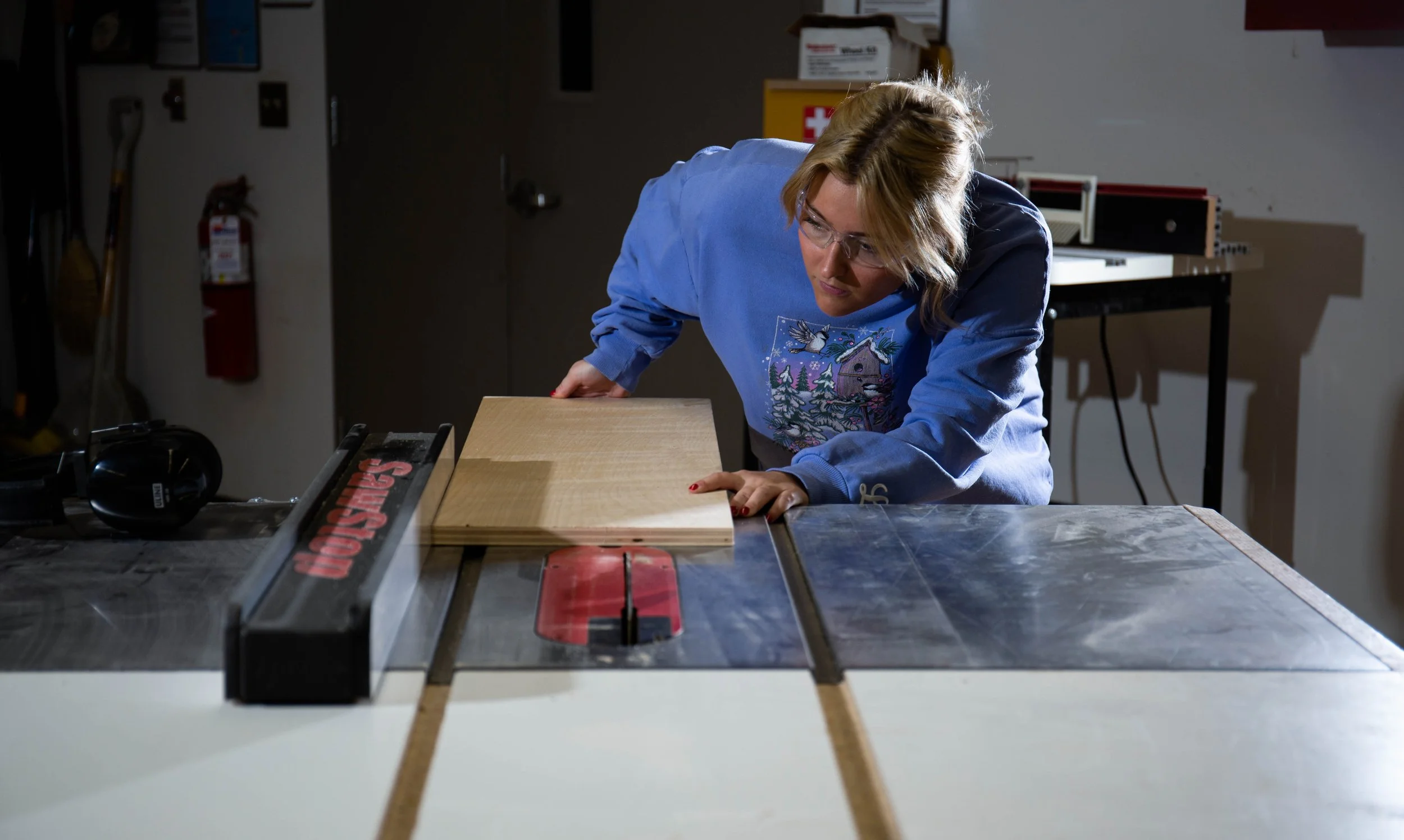
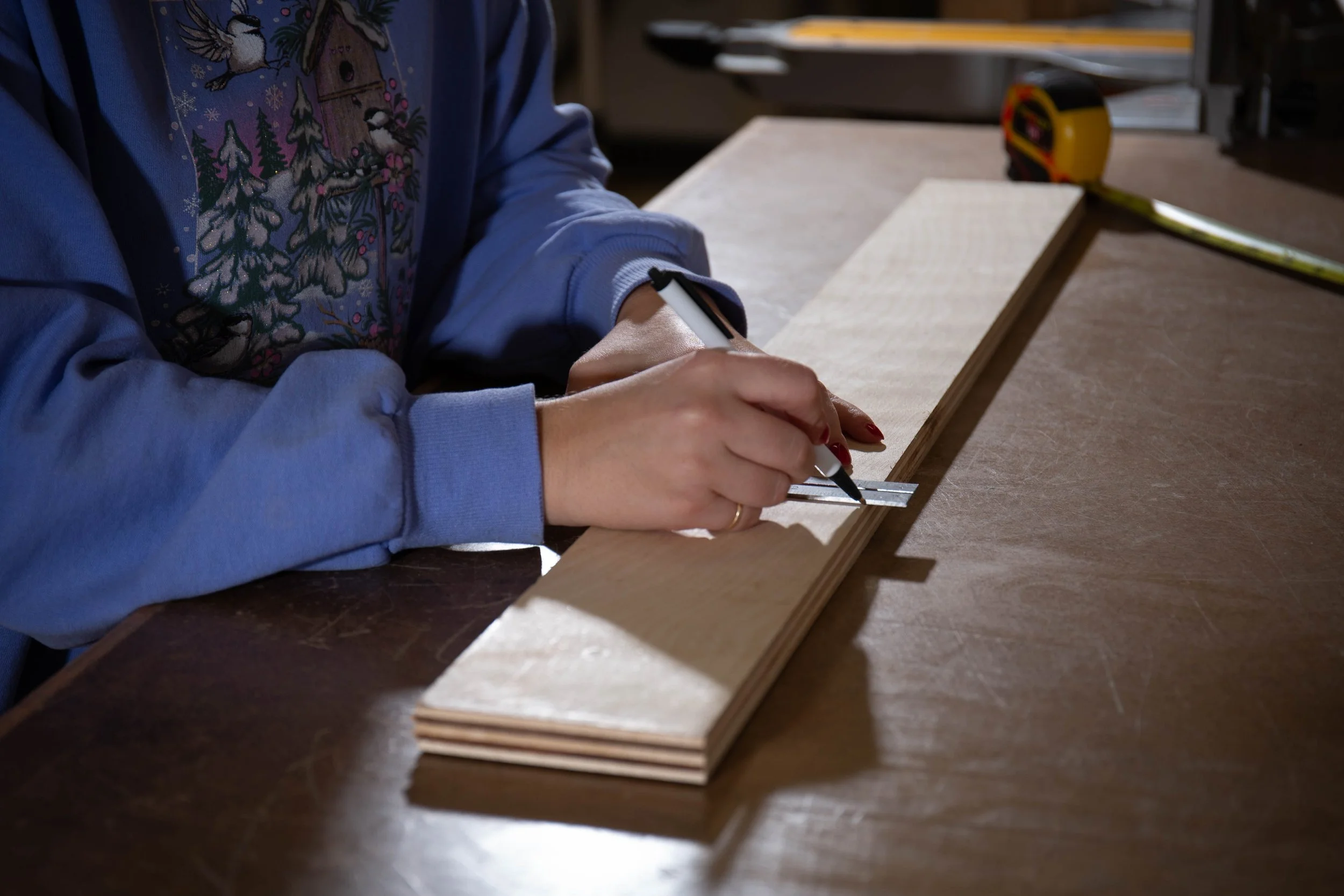
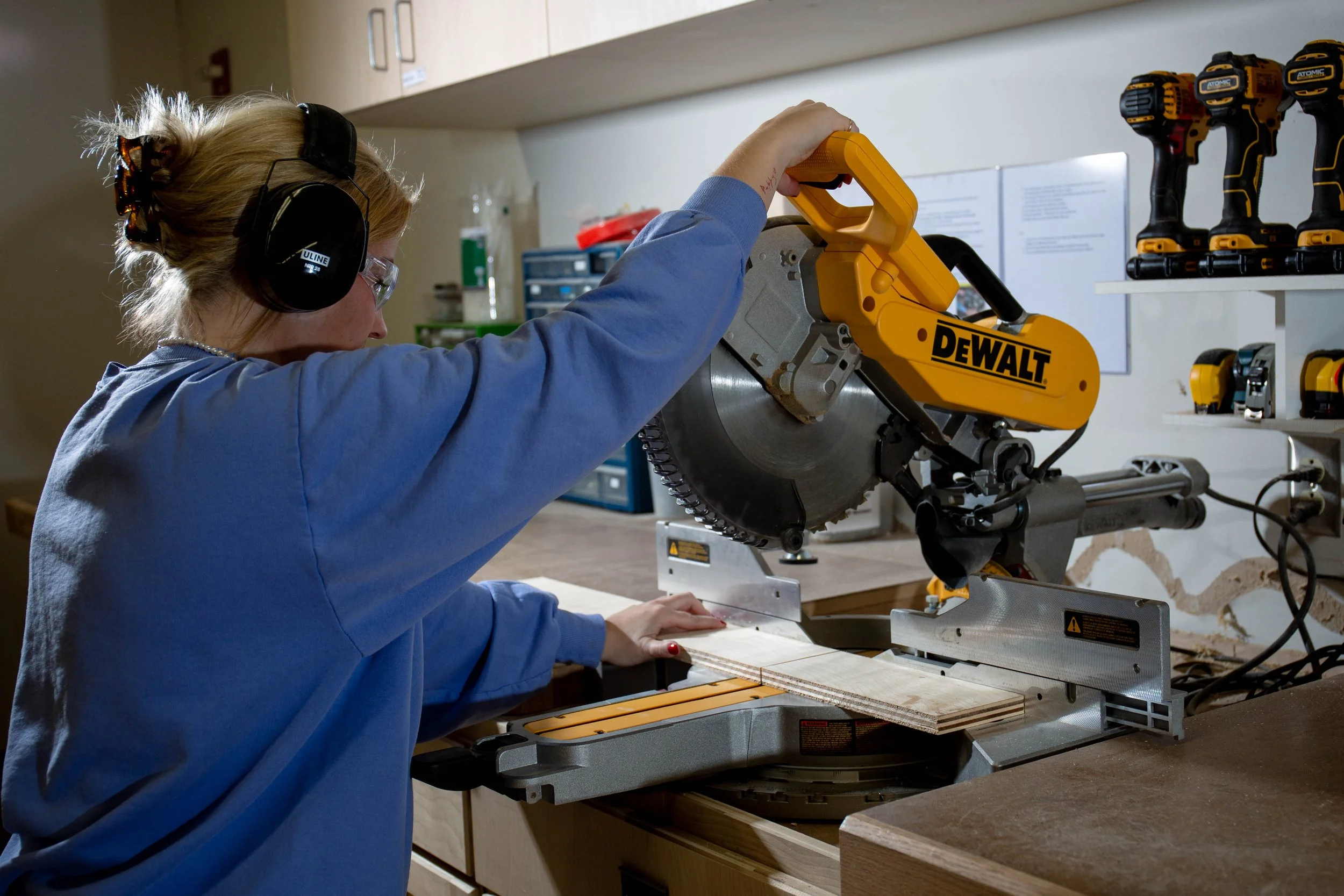
SAFETY & RESPONSIBLY STUDIO PRACTICES
One of the most important aspects of this experience was learning that creative environments require a high level of responsibility.
Ceramic studios can involve high temperatures, dust, chemicals, heavy equipment, and other potential hazards. Proper cleaning, chemical disposal, equipment use, and organization are essential to maintaining a safe workspace.
My experience handling and properly disposing of hazardous materials gave me a practical understanding of studio safety and reinforced the importance of responsible material management.

My technical studio experience complements my creative background by giving me a practical understanding of how creative environments function. It taught me to look beyond the finished product and understand the systems that support it. Whether that means maintaining equipment, organizing materials, preparing a workspace, or solving an unexpected problem, the work requires planning, attention to detail, adaptability, and responsibility.
Those skills continue to influence how I approach projects today.